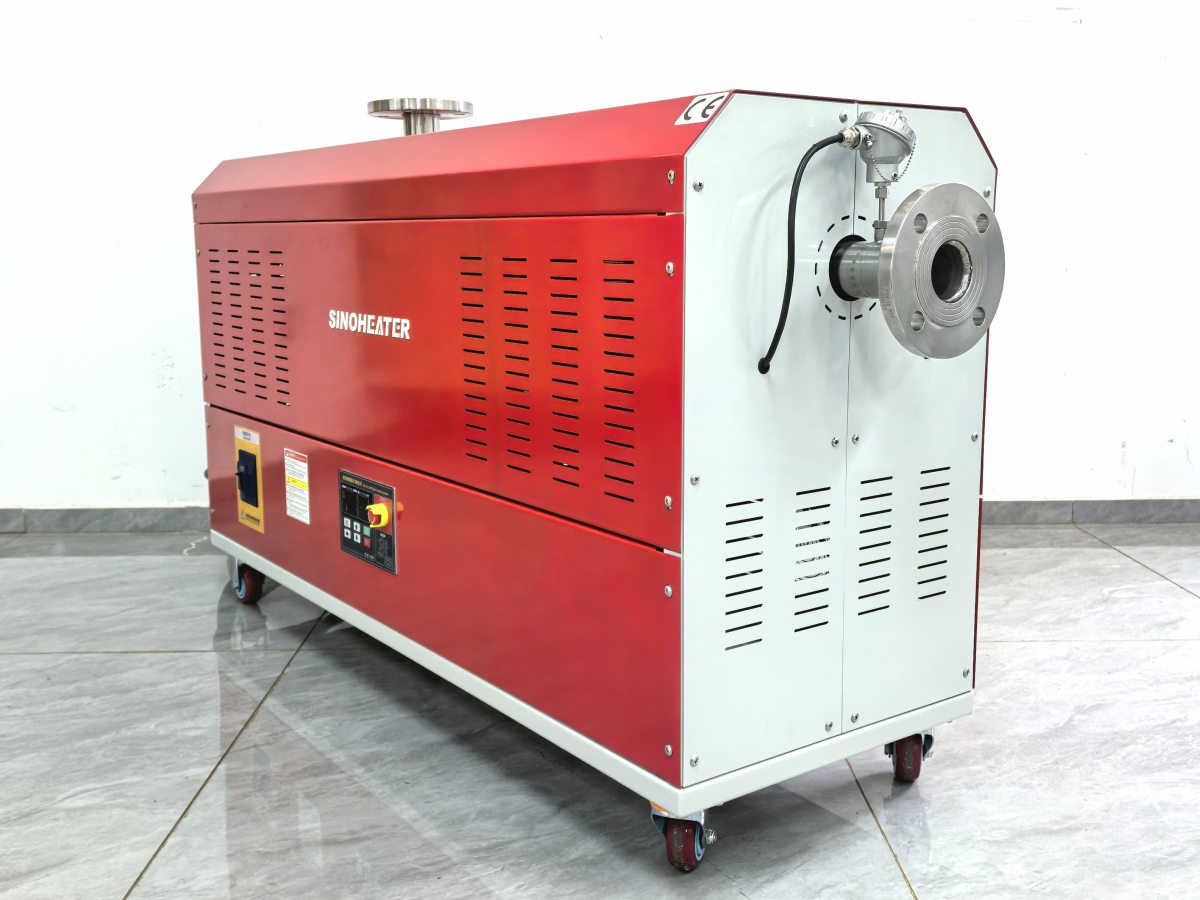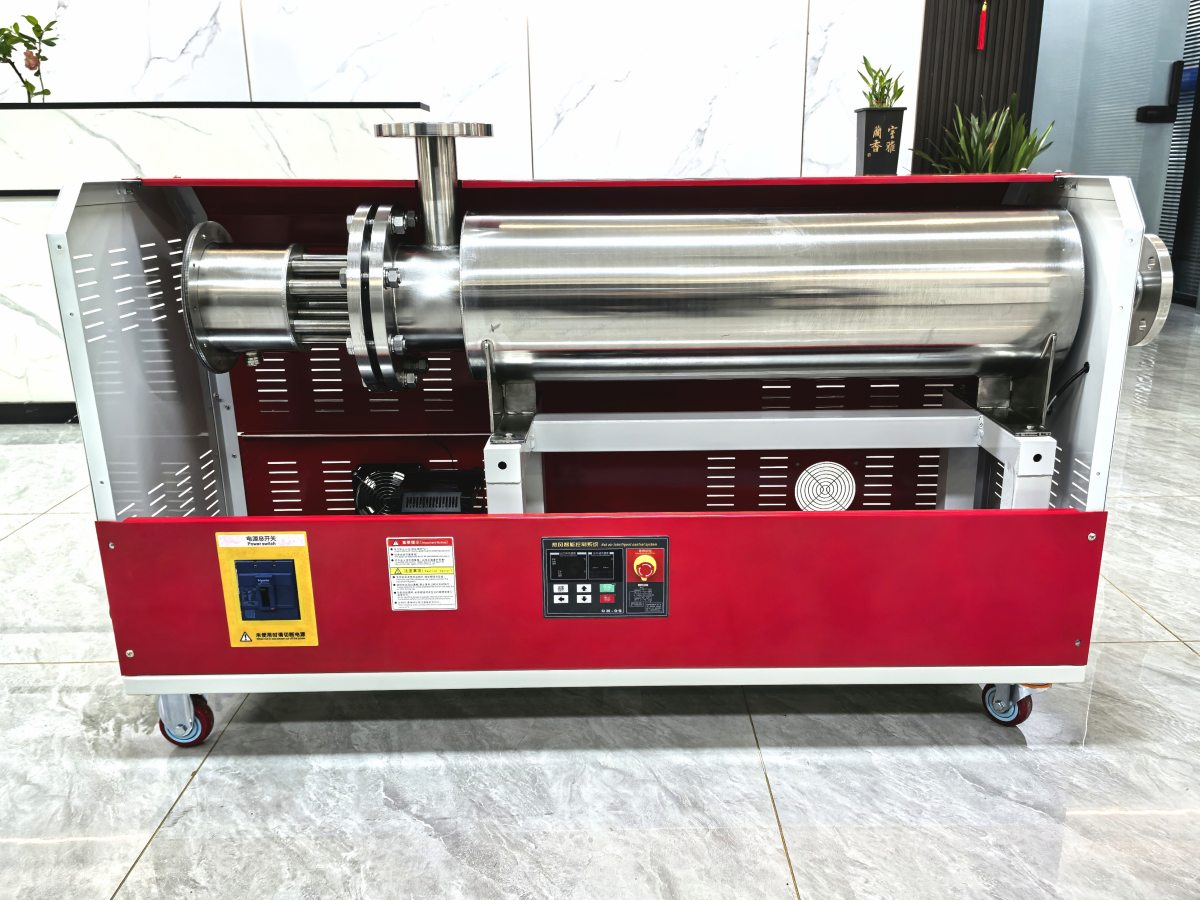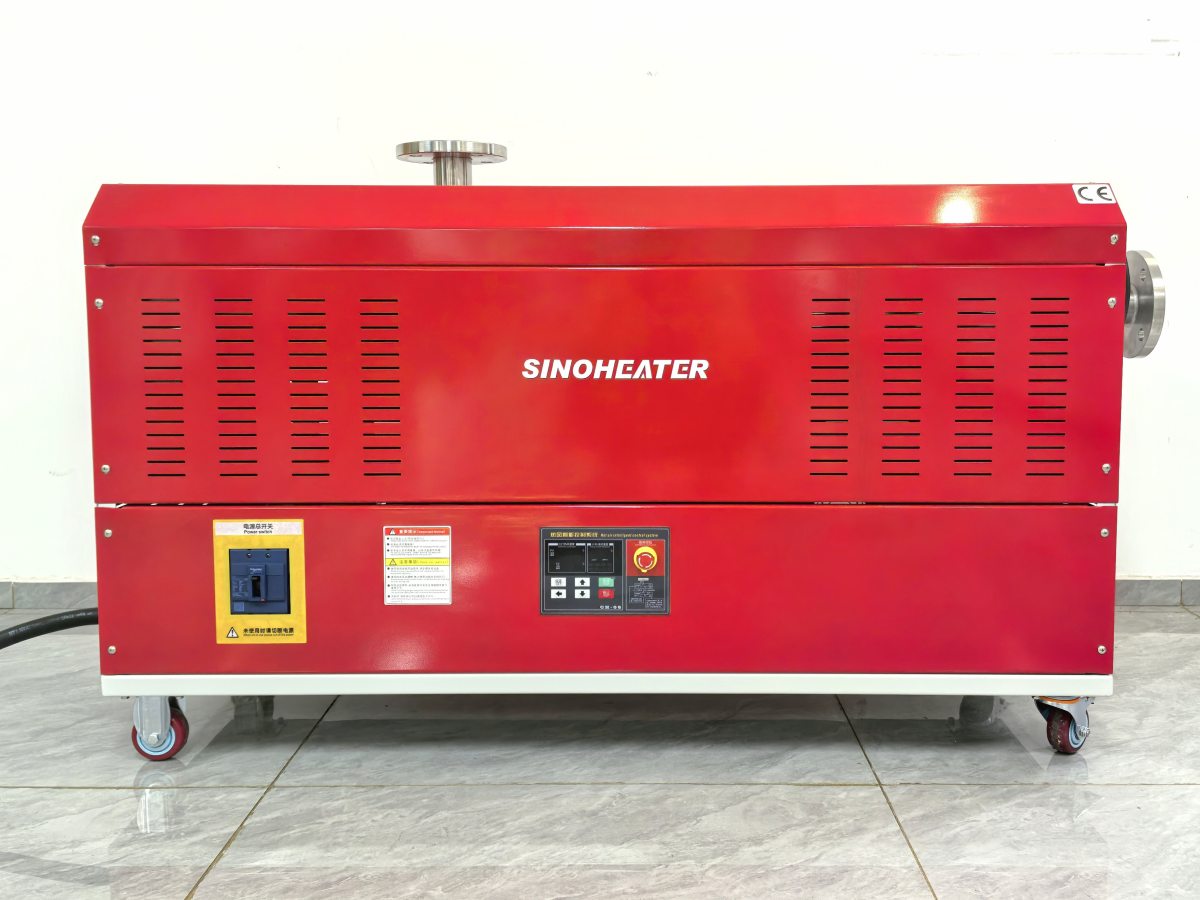
Building upon the prior context regarding hot air blower safety, including discussions on power terminal insulation protection design and aily maintenance and care precautions, insulation resistance testing stands as a critical, non-destructive procedure to verify the integrity of electrical isolation within the appliance. This test is mandated by international safety standards to prevent electric shock hazards by ensuring that live parts are adequately insulated from accessible conductive parts, even under high humidity or temperature stress conditions. Compliance with these standards is not merely a regulatory formality but a fundamental verification of a product’s inherent electrical safety before it reaches the end-user.
Core Standardized Test Methodology and Equipment
The primary test is defined by standards such as IEC 60335-1 (Household and similar electrical appliances – Safety) and its national equivalents. The procedure involves applying a high direct current (DC) voltage between live electrical components (e.g., heating elements, motor windings) and accessible conductive parts (e.g., the metal casing, nozzle). A megohmmeter or insulation resistance tester, capable of supplying a stabilized test voltage (typically 500V DC for appliances rated up to 250V), is used. The test voltage is applied for a specified duration, usually one minute, and the resulting insulation resistance is measured in megohms (MΩ). The key requirement is that the measured resistance must not fall below a minimum threshold, commonly 1 MΩ for basic insulation and 2 MΩ for reinforced or double insulation under normal conditions. For appliances with heating elements, the test is often conducted both at room temperature (“cold test”) and in a heated state after a specified operational period (“hot test”) to assess performance under thermal stress.
Test Conditions and Environmental Stress Considerations
To simulate real-world risks, the standard specifies that the test must be performed under humid conditions. This typically involves subjecting the appliance to a humidity conditioning treatment, such as placing it in a chamber with relative humidity maintained at 93% ± 3% at an appropriate temperature (e.g., 20-30°C) for 48 hours. Immediately following this conditioning, and without allowing the appliance to dry out, the insulation resistance test is conducted. This “humid test” is crucial for hot air blowers, as they may be used in workshops or garages with elevated ambient humidity. The test verifies that the insulation materials (e.g., mica sheets around heating elements, motor slot liners, internal wiring insulation) do not absorb moisture to a degree that would create a dangerous leakage current path.
Specific Application to Heating Element and Motor Circuits
For a hot air blower, the test is applied to several critical circuits. The primary test is between the live parts of the heating circuit (the ends of the heating coil) and the earthed metal sheath or surrounding casing. Similarly, the insulation of the blower motor windings to its metal frame is tested. If the appliance features electronic controls or a thermostat, the isolation between live terminals on any control board and grounded heatsinks or enclosures is also verified. It is essential that all switches are in the “on” position during the test to ensure the entire live circuit is included. For appliances with Class II (double insulation) construction, the test is applied between live parts and any accessible parts that are separated by reinforced insulation.
Interpretation of Results and Follow-Up Actions
A passing result confirms the insulation system’s immediate integrity. A failing result—where resistance measures below the standard’s minimum requirement—indicates a potentially serious fault. Common causes include degraded insulation on heating elements due to thermal cycling, moisture ingress into the motor, damaged internal wiring with compromised insulation, or contamination (e.g., dust and conductive debris) bridging live parts to ground. A failure necessitates immediate investigation and repair; the appliance must not be returned to service. For quality control in manufacturing, periodic routine tests are conducted on production samples. For field maintenance, insulation resistance testing is a key part of preventative electrical safety checks, especially if the blower is used in demanding industrial environments or shows signs of prior exposure to liquids.