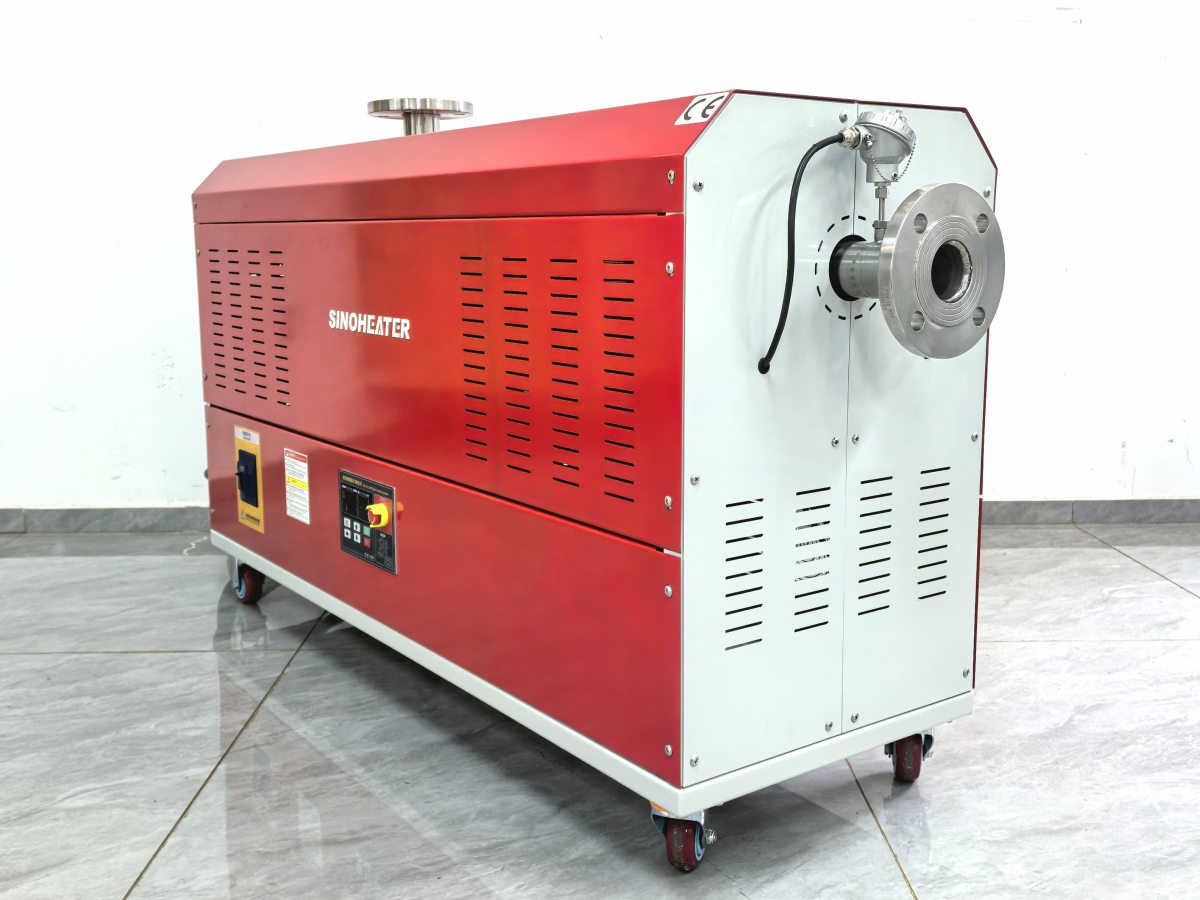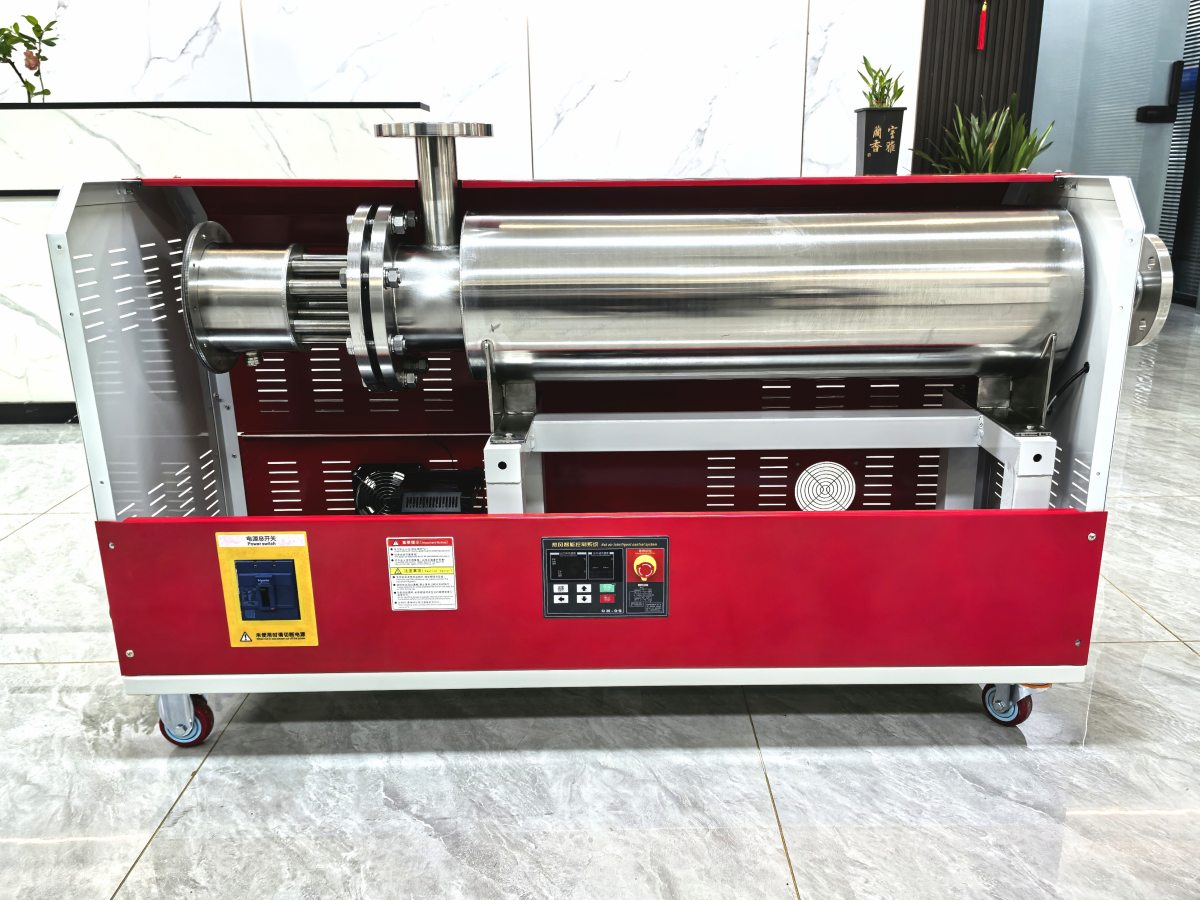
Vibration resistance and operational performance indicators for hot air blowers define the tool’s reliability and safety in demanding industrial, construction, and field service environments. These metrics assess how well the unit maintains functional integrity and consistent output when subjected to mechanical shocks and continuous vibration, which are common during portable use or when mounted on moving machinery.
Vibration Testing Standards and Environmental Simulation
Formal evaluation of vibration resistance follows established international standards to ensure repeatable and comparable results. Key references include IEC 60068-2-6 (Sine Vibration) and IEC 60068-2-64 (Broad-Band Random Vibration). These tests simulate the stresses encountered during transportation and operation. The blower is securely mounted on a vibration table and subjected to defined profiles. A common test involves sinusoidal vibration at frequencies from 10 Hz to 500 Hz with a constant acceleration amplitude (e.g., 1.0 G) for a set duration (e.g., 2 hours per axis along three mutually perpendicular axes). More rigorous testing applies random vibration profiles that mimic real-world conditions, with power spectral density (PSD) levels specified across a frequency range. The post-test inspection criteria require no mechanical fasteners to loosen, no casing cracks, and full functional operation.
Key Operational Performance Indicators Under Vibration
During and after vibration testing, specific operational parameters are monitored to quantify performance retention. The primary indicator is the stable maintenance of set temperature and airflow. A quality blower must demonstrate a temperature deviation of less than ±3% to ±5% from its set point while under vibration, as measured by a thermocouple at a standard distance from the nozzle. Similarly, the airflow volume, measured with an anemometer, should not drop by more than 5-10% due to potential fan imbalance or internal obstruction shifts. Electrical performance is also critical; the unit must not experience any intermittent power loss or electrical arc faults due to wire harness fatigue or connector loosening. The integrity of all safety features, such as thermal cut-offs and ground-fault protection, must remain fully functional.
Mechanical Integrity and Durability Assessments
Vibration resistance is fundamentally about mechanical durability. Inspections focus on component security and material fatigue. After testing, critical internal components are examined. This includes verifying that the fan impeller remains balanced and does not contact the housing, that the heating element supports show no signs of cracking or deformation, and that internal wiring and terminal connections remain tight, with no evidence of insulation wear from chafing. Externally, the housing, especially at stress points like the handle junction and nozzle connection, must show no permanent deformation or cracks. Switches and control potentiometers must maintain their tactile feel and electrical continuity without becoming intermittent.
Field Performance Correlations and Maintenance Implications
The laboratory test indicators directly translate to field reliability. A blower with poor vibration performance may exhibit premature failure of soldered joints on the heating element, leading to open circuits. It may suffer from fan bearing wear, resulting in increased noise, reduced airflow, and eventual seizure. Loosened internal screws can cause rattling and potentially short circuits. For users, selecting a blower rated for appropriate vibration levels extends service life in mobile applications. Furthermore, these indicators inform preventive maintenance schedules. Units used in high-vibration environments should have more frequent checks of external and internal fastener torque, fan bearing lubrication (if applicable), and visual inspections of wiring harnesses for abrasion.
Specification Interpretation and Selection Guidance
When evaluating blower specifications, look for explicit references to tested standards (e.g., “Tested per IEC 60068-2-6”). Quantitative data, such as “Operates normally under 1.5G vibration,” is more meaningful than qualitative claims like “Rugged construction.” For critical applications, request the manufacturer’s test report detailing the vibration profile applied and the post-test verification results for temperature stability and airflow. This due diligence ensures the tool is matched to its operational environment, whether it’s mounted on a service vehicle, used in a plant with heavy machinery, or frequently transported in a tool case.