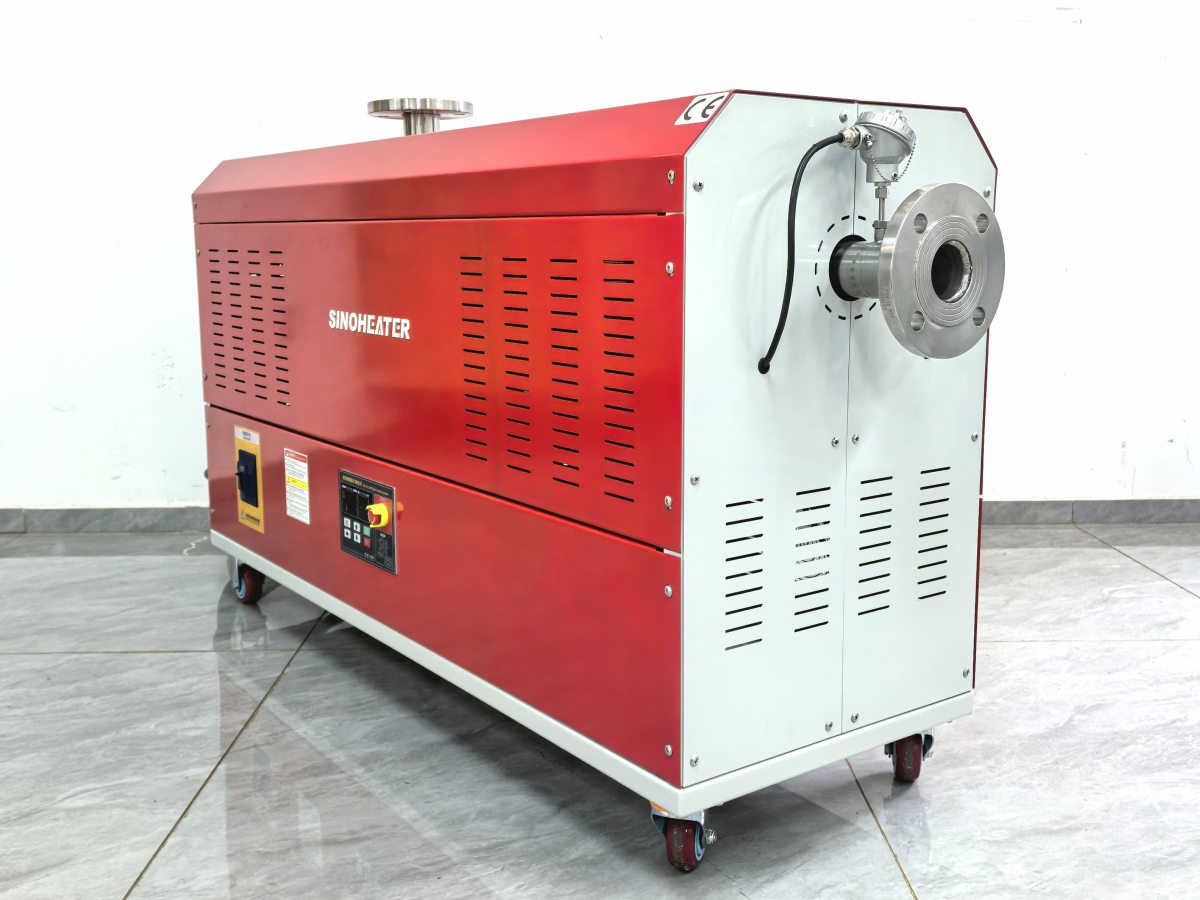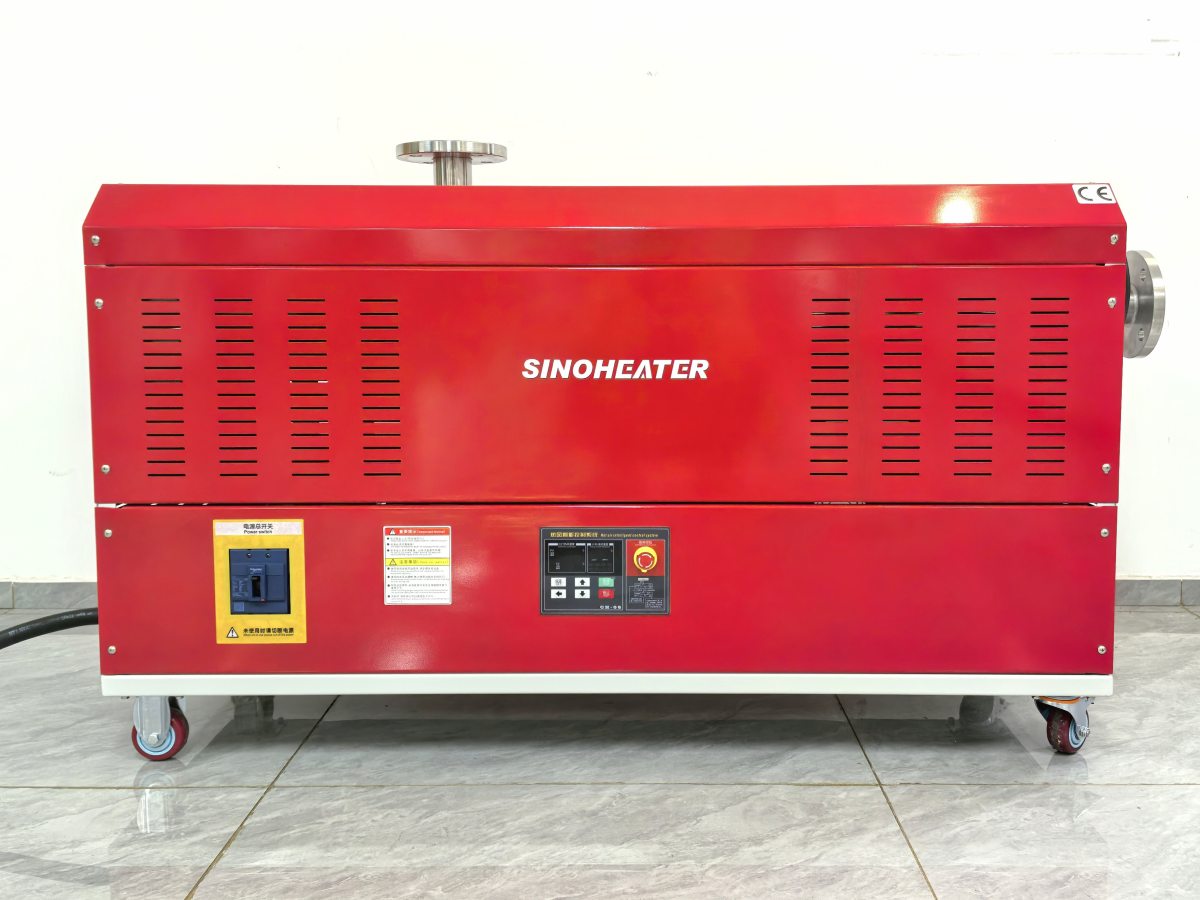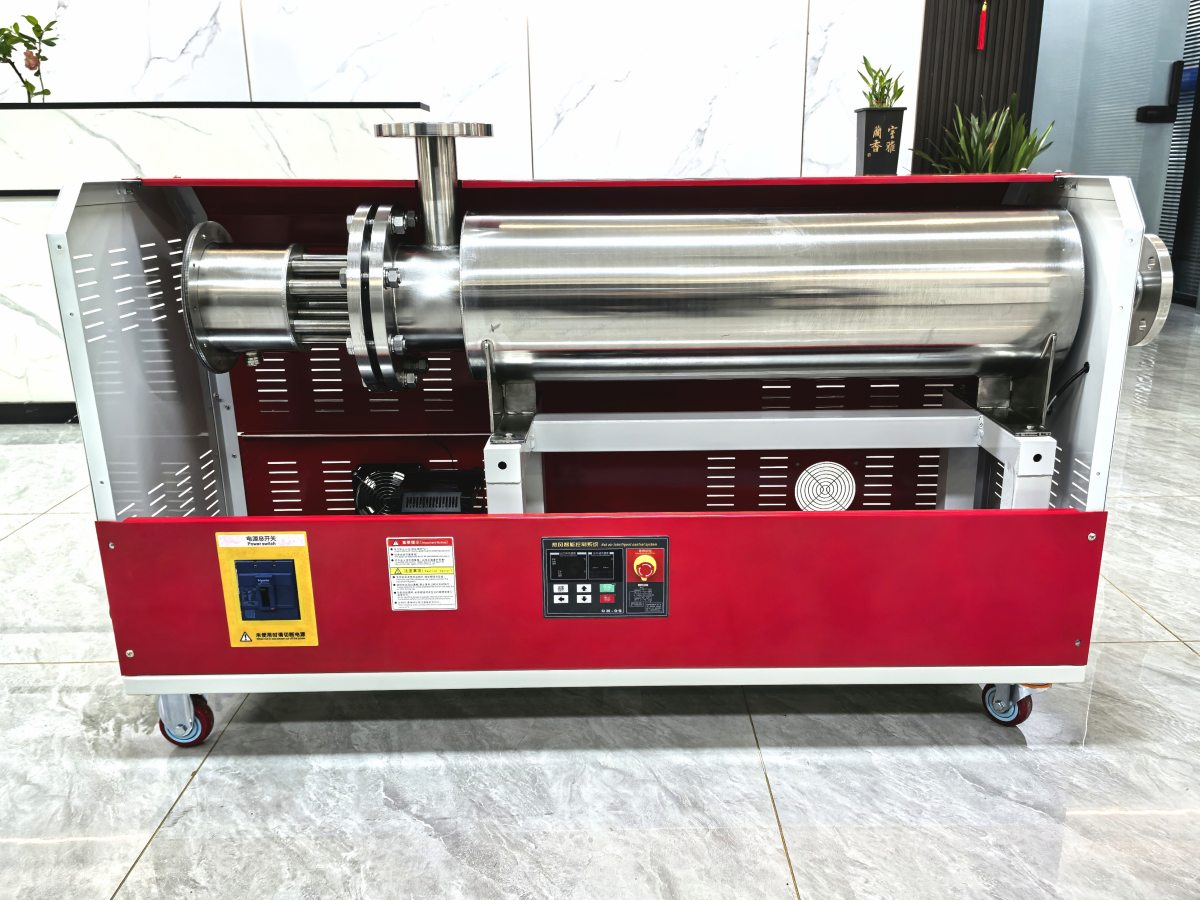
Heating speed and temperature rise time are two of the most critical performance indicators that directly define the real-world usability of a hot air blower across industrial, workshop, and targeted heating scenarios. Users often prioritize these parameters when selecting equipment for tasks that demand immediate heat output or consistent thermal performance over extended operation cycles.
Core metrics that define heating speed performance
The heating speed of a hot air blower is determined by how quickly the internal heating element converts electrical energy into usable thermal energy, before the integrated fan pushes that heated air out through the outlet. Most standard configurations rely on positive temperature coefficient heating modules or metal resistance heating structures, which reach their peak thermal output within a very short window after power is supplied.
The initial temperature rise phase covers the period from the moment the unit is powered on to the point where the outlet air reaches a measurable, stable high temperature. For many well-designed units, this phase can be completed in just a few seconds, allowing users to access targeted hot air almost immediately without long preheating delays. This rapid initial response is especially valuable for tasks that require instant localized heating, such as surface treatment, material shrinking, or quick thawing operations in cold working environments.
Key factors that influence temperature rise time
Several structural and operational variables directly alter the total temperature rise time of a hot air blower, starting with the material and layout of the internal heating components. Heating elements with higher thermal conductivity and optimized surface contact area with passing air will transfer heat far more efficiently, cutting down the time needed to reach the set operating temperature.
Airflow dynamics also play a major role in this process. The speed and volume of air pulled through the heating chamber by the built-in fan create a direct tradeoff: higher airflow can deliver a larger total volume of hot air, but may slightly extend the time needed for the outlet to reach peak temperature if not balanced correctly with the heating element’s power output.
Ambient operating conditions add another layer of influence. Units placed in low-temperature environments or locations with high incoming air humidity will naturally take slightly longer to reach their rated peak outlet temperature, as the system first needs to raise the temperature of the relatively cold, moist incoming air before hitting the target thermal output.
How these parameters translate to real operational performance
When evaluating temperature rise time in practical use, it is important to distinguish between the time needed for the outlet to reach initial hot air output and the time required for the unit to maintain a consistent, stable temperature across long continuous runs. A unit that reaches its target temperature quickly but experiences large thermal fluctuations during extended operation will not deliver the same reliable performance as a system with a well-calibrated thermal control structure.
Many high-performance hot air blower systems integrate real-time temperature sensing components placed close to the heating chamber, which continuously adjust power input to keep the outlet temperature steady even when ambient conditions or airflow levels shift. This closed-loop control system ensures that after the initial temperature rise phase is completed, the unit maintains a consistent thermal output without unexpected spikes or drops that could disrupt ongoing work.
For large-space heating applications, the measured temperature rise time of the surrounding environment will differ from the outlet temperature rise time of the unit itself. This difference depends on the total volume of the space, existing insulation levels, and the total heat output capacity of the equipment, all of which determine how quickly the entire target area reaches a comfortable or operationally required temperature range.