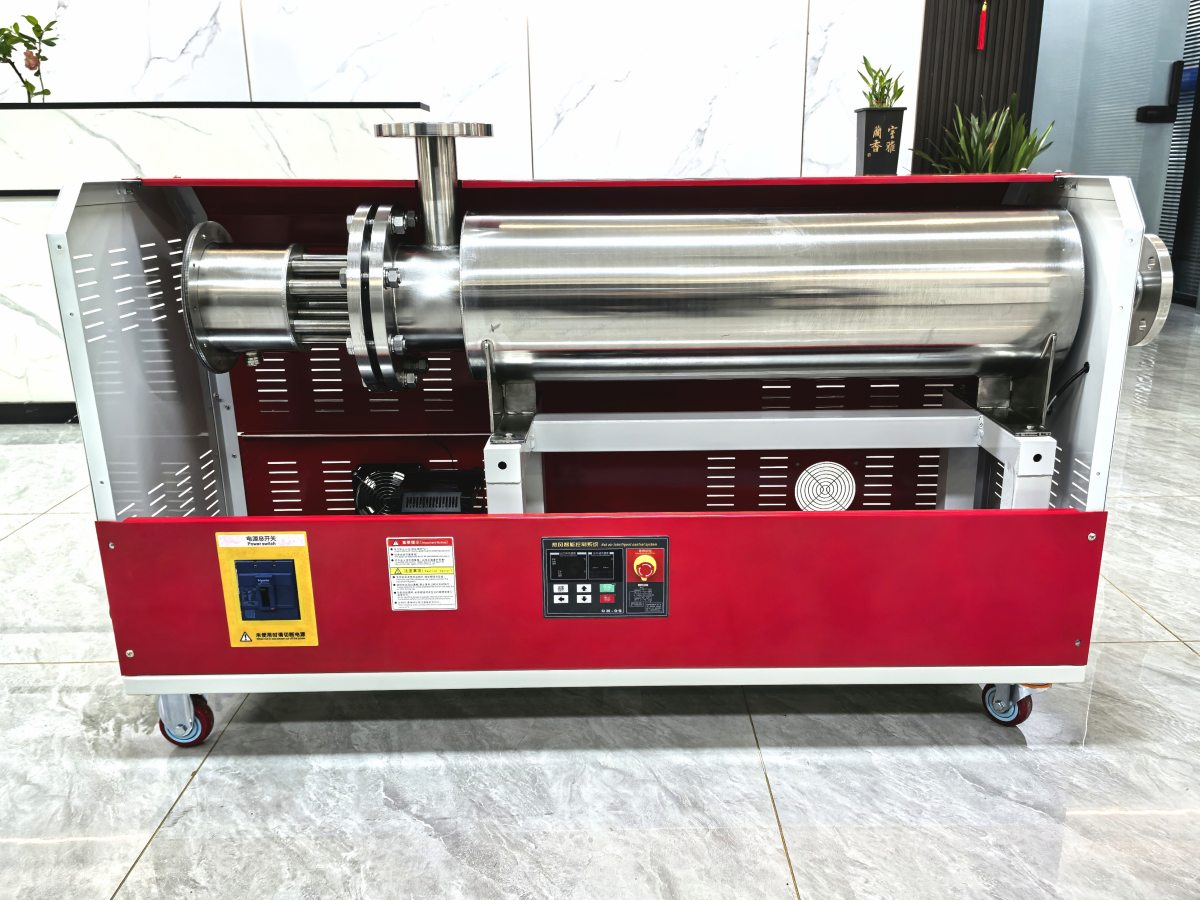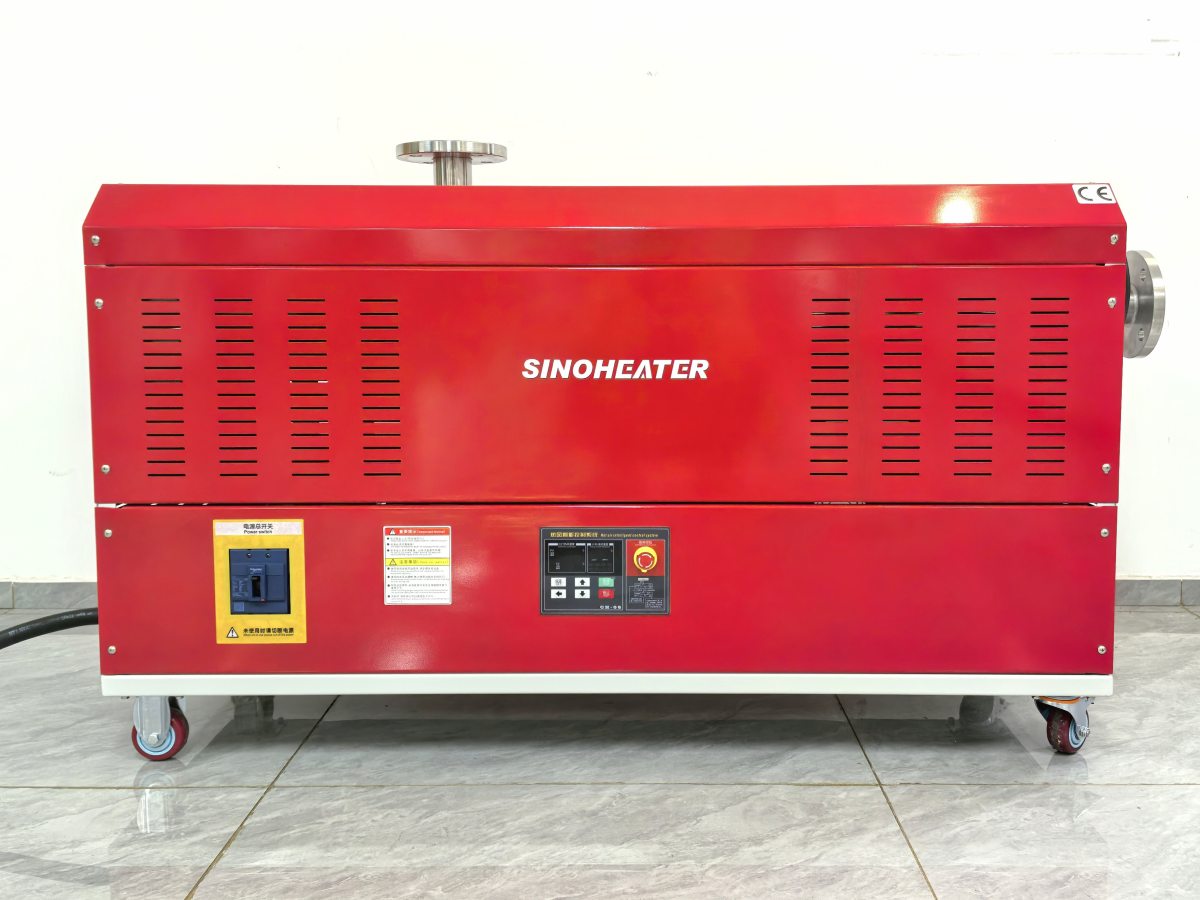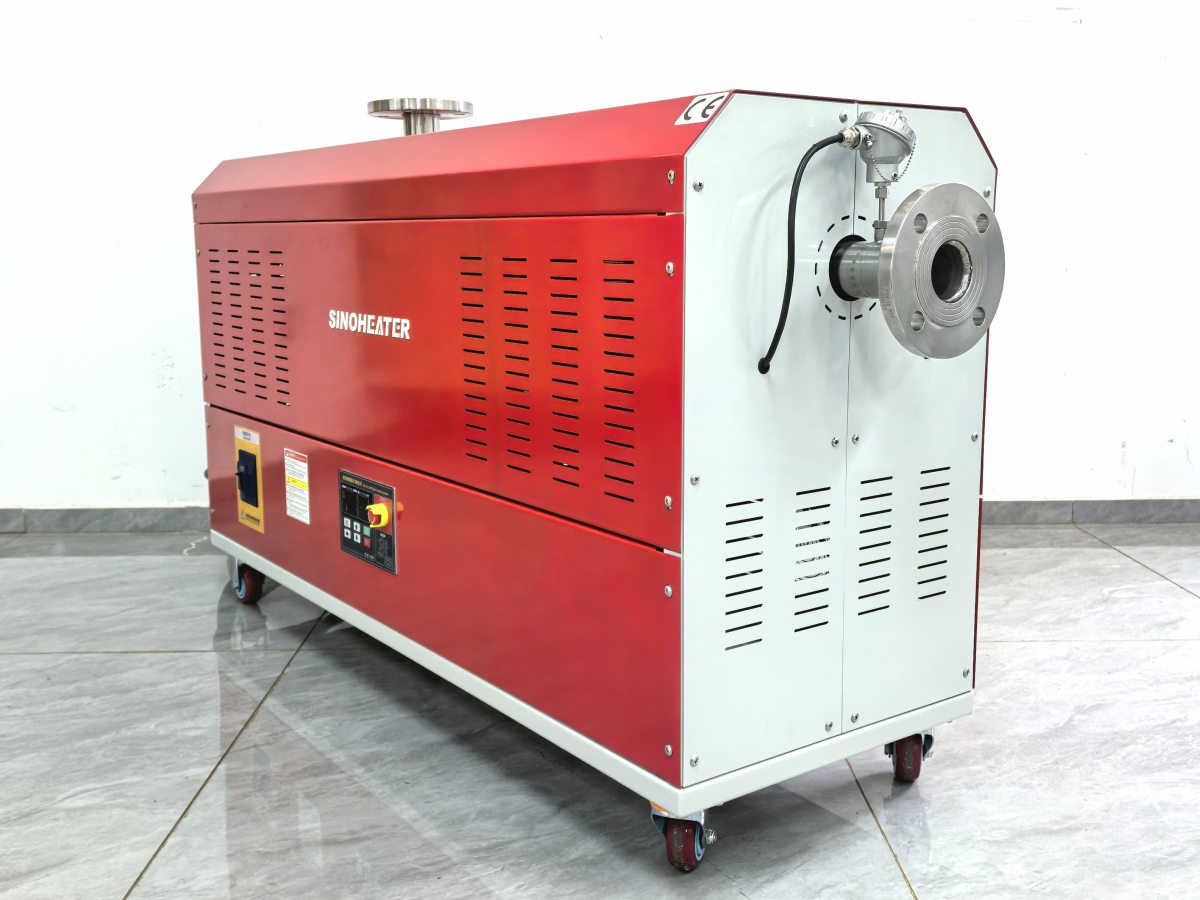
Different nozzle designs are engineered to reshape, concentrate, or disperse the air flow delivered by a hot air blower, creating distinct thermal and aerodynamic effects that match specific operational requirements. The alignment between nozzle structure and air flow parameters directly determines how efficiently heat reaches the target surface, and how consistently the performance holds up under continuous use.
Core aerodynamic principles behind nozzle air flow matching
Every nozzle design modifies the internal air path to adjust velocity, coverage area, and static pressure at the outlet, based on basic fluid dynamics rules that govern how air moves through restricted or expanded channels. When air passes through a nozzle with a reduced cross-sectional area, its velocity increases while static pressure drops, creating a focused high-speed jet that carries thermal energy to a narrow target zone.
Nozzles with wider or multi-opening structures work in the opposite way: they spread the air stream across a larger surface, reducing peak velocity but expanding the total heated coverage area. This design ensures that heat is distributed more evenly over broad workpieces, eliminating the risk of localized overheating that can occur when a concentrated high-temperature jet stays in one spot for too long.
Even small changes to the internal curvature of a nozzle’s transition section can have a noticeable impact on air flow performance. A smoothly contoured transition from the blower’s main outlet to the nozzle tip minimizes turbulent air pockets, reducing unnecessary energy loss and ensuring that the full volume of heated air exits the nozzle in a steady, predictable pattern.
Key parameters for matching nozzles to operational scenarios
The first critical matching parameter is outlet air velocity, which must align with the distance between the nozzle tip and the target surface. For operations that require heat to reach surfaces several centimeters away, a nozzle calibrated for higher exit velocity will prevent the hot air from dissipating into the surrounding environment before it makes contact with the workpiece.
Total air flow coverage area is another essential matching factor. Tasks that involve treating large, flat surfaces require nozzles that can deliver a uniform wide air stream, so every section of the target receives the same volume of hot air at a consistent temperature. Narrow, precision-focused work, by contrast, benefits from nozzles that concentrate the full air flow into a small, tightly defined zone to deliver maximum thermal impact exactly where it is needed.
Air flow uniformity across the nozzle outlet also plays a vital role in performance. A well-calibrated nozzle will produce an air stream with no significant hot or cold spots across its entire coverage area, preventing uneven heating that can cause material warping, incomplete processing, or inconsistent final results. This uniformity is especially critical for long continuous production runs where even minor variations in air flow can create quality inconsistencies across hundreds of processed parts.
Common performance adjustments for optimized nozzle pairing
Many operational setups include adjustable air flow control structures that work in tandem with different nozzles to fine-tune performance without requiring full equipment reconfiguration. When paired with a narrow focused nozzle, slightly reducing the total blower air flow can extend the amount of time air spends in contact with the heating element, raising the temperature of the concentrated jet without sacrificing too much outlet velocity.
For wide dispersion nozzles, increasing the base air flow output helps maintain consistent thermal coverage across the entire broad stream, preventing the edges of the heated area from dropping to unacceptably low temperatures. This adjustment ensures that even the outermost sections of the dispersed air flow retain enough heat to meet the requirements of the task at hand.
Regular inspection of nozzle internal passages is a necessary maintenance step to preserve proper air flow matching. Over time, accumulated dust, residual melted material, or minor deformation from prolonged high temperature exposure can alter the internal shape of the nozzle, disrupting the calibrated air flow pattern and creating unexpected performance deviations that reduce overall work quality.