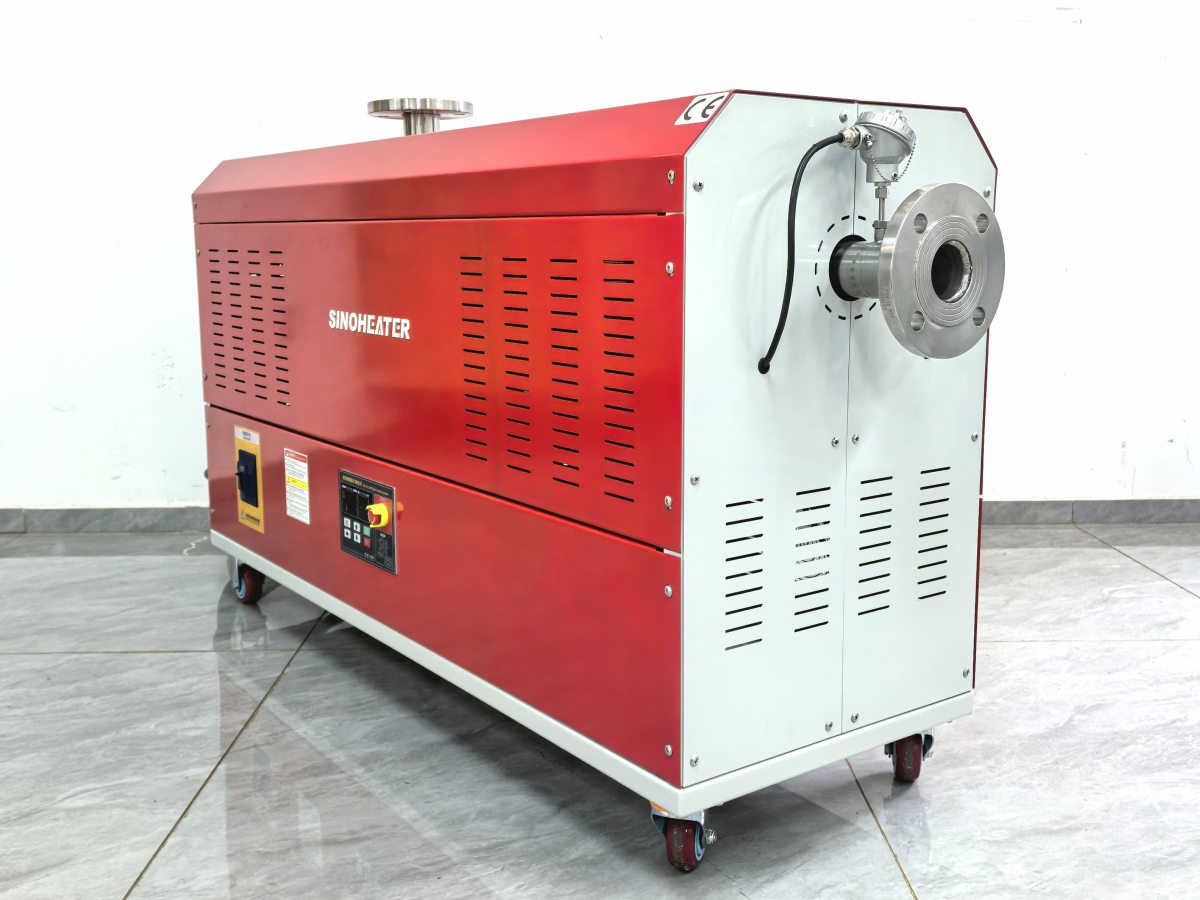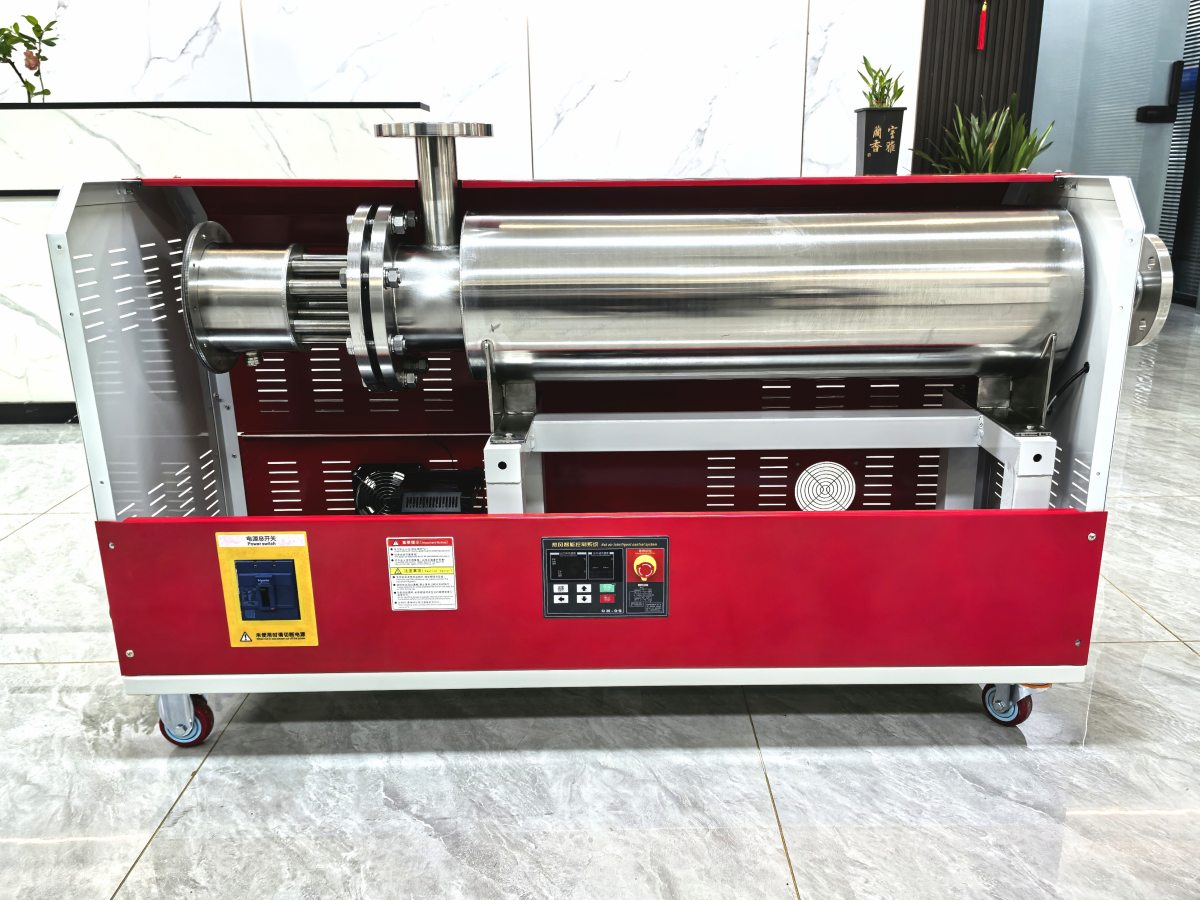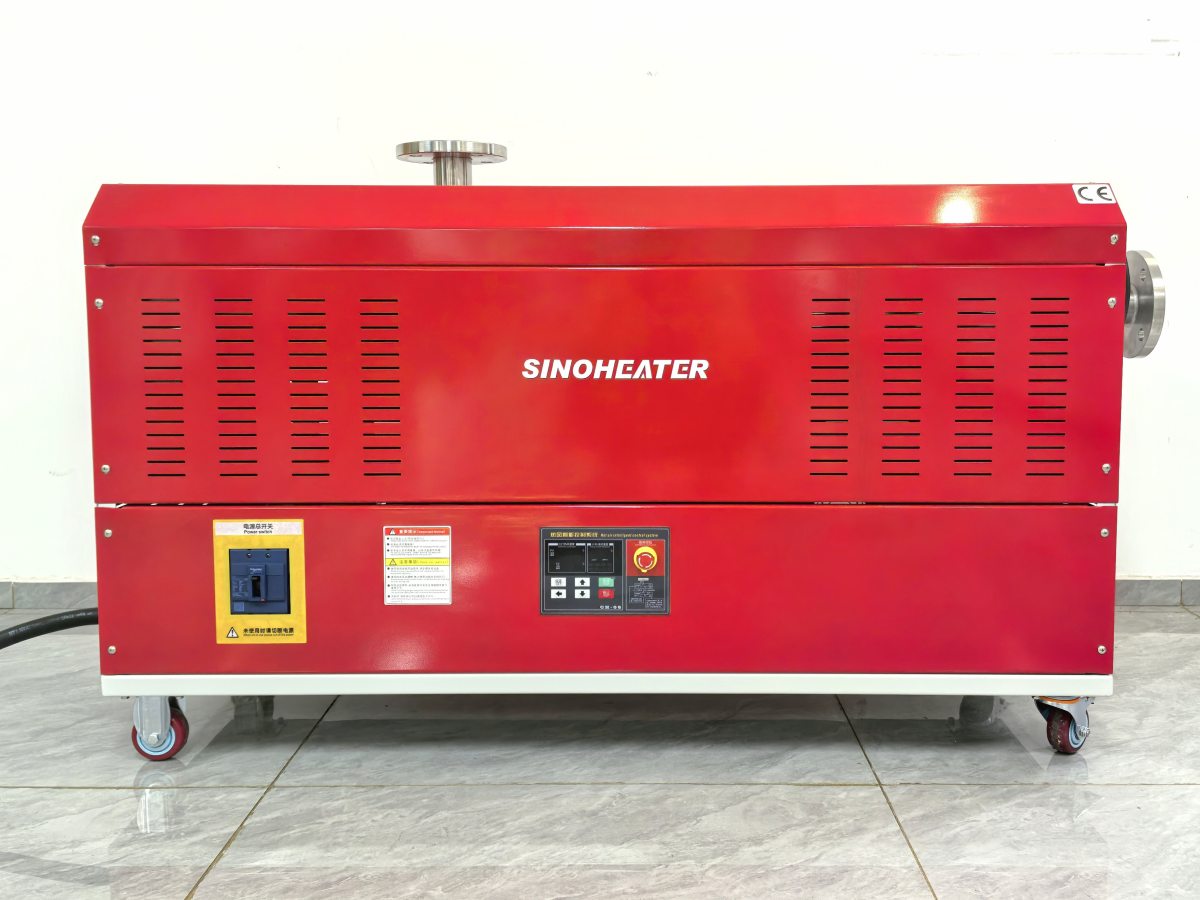
When working with compact hot air blower units for lab desktop use, researchers and technicians often seek consistent performance that fits tight workspaces without sacrificing functional reliability. These units are designed to support a wide range of routine experimental tasks, from sample drying to gentle heat treatment for sensitive test materials.
Core Operational Consistency for Daily Lab Tasks
Stable temperature output across extended run times forms the foundation of reliable lab performance. Many small desktop models maintain steady heat distribution across the target work area, eliminating uneven hot spots that could compromise delicate sample properties. This uniform heat delivery supports repeatable results for every test cycle, reducing unexpected variables that can skew experimental data.
Precise airflow adjustment adds another layer of control for diverse lab workflows. Users can fine-tune air velocity to match specific requirements, whether they are evaporating trace moisture from fine powder samples or applying controlled warm air to thin film test substrates. This level of adjustability removes the need for manual repositioning of samples during extended processing periods.
Low operational vibration keeps surrounding lab equipment undisturbed during use. Units engineered for desktop placement run smoothly enough to avoid shifting adjacent precision balances, sensitive microscopes, or other measurement tools that sit on the same workbench. This quiet, stable performance preserves the integrity of ongoing parallel experiments in shared lab spaces.
Space-Saving Design for Compact Workbench Layouts
Small footprint construction lets these units fit neatly into crowded lab environments where every square centimeter of bench space serves multiple purposes. Their slim profiles slide easily between analytical instruments, storage racks, and active testing stations without blocking access to frequently used tools or safety supplies.
Lightweight modular mounting options support flexible placement across different lab zones. Teams can move these units between dedicated prep areas, fume hoods, and temporary test stations without requiring heavy lifting or complex installation procedures. This mobility makes them suitable for short-duration experimental setups that only need heat application for a few hours each week.
Integrated cord management keeps desktop areas clear of tangled wiring that creates tripping hazards or interferes with sample handling. Thoughtful casing design hides excess power cabling in recessed channels, maintaining a clean workspace that meets standard lab safety protocols for organized experimental zones.
Safety Features Tailored to Long Lab Operating Hours
Overheat protection mechanisms automatically interrupt power flow if internal temperatures rise beyond pre-set safe thresholds. This prevents unintended heat buildup even when units run unattended through overnight drying cycles, reducing risk to nearby flammable lab supplies and unattended test materials.
Cool-touch outer casing surfaces eliminate accidental burn risks for researchers who frequently adjust sample positions or reorient equipment mid-experiment. Even after hours of continuous operation, external panels remain at safe-to-touch temperatures that do not cause discomfort during routine handling.
Stable non-slip base construction keeps units firmly anchored on smooth lab bench surfaces, even during full-speed airflow operation. This prevents unintended movement that could redirect hot air toward unintended targets, disrupt active experiments, or create unnecessary safety risks for nearby personnel.