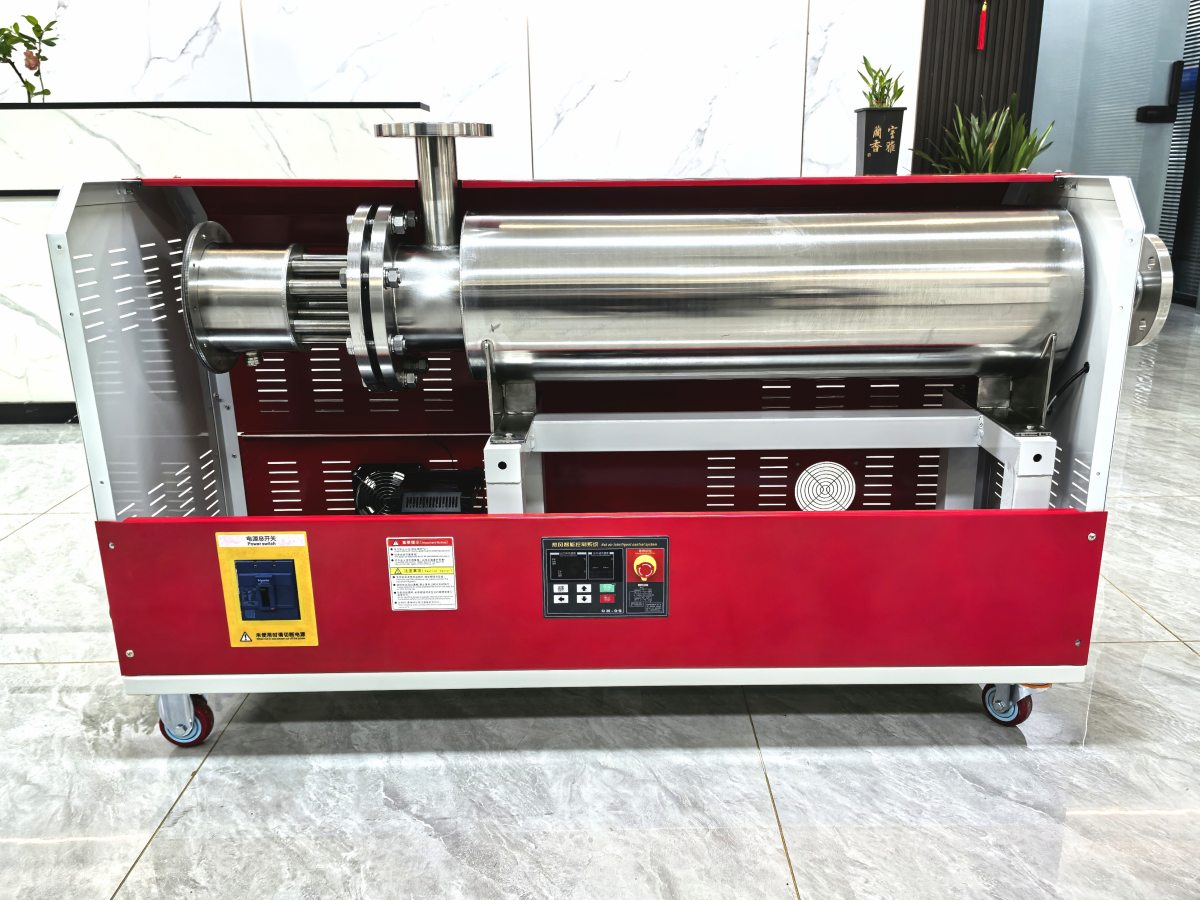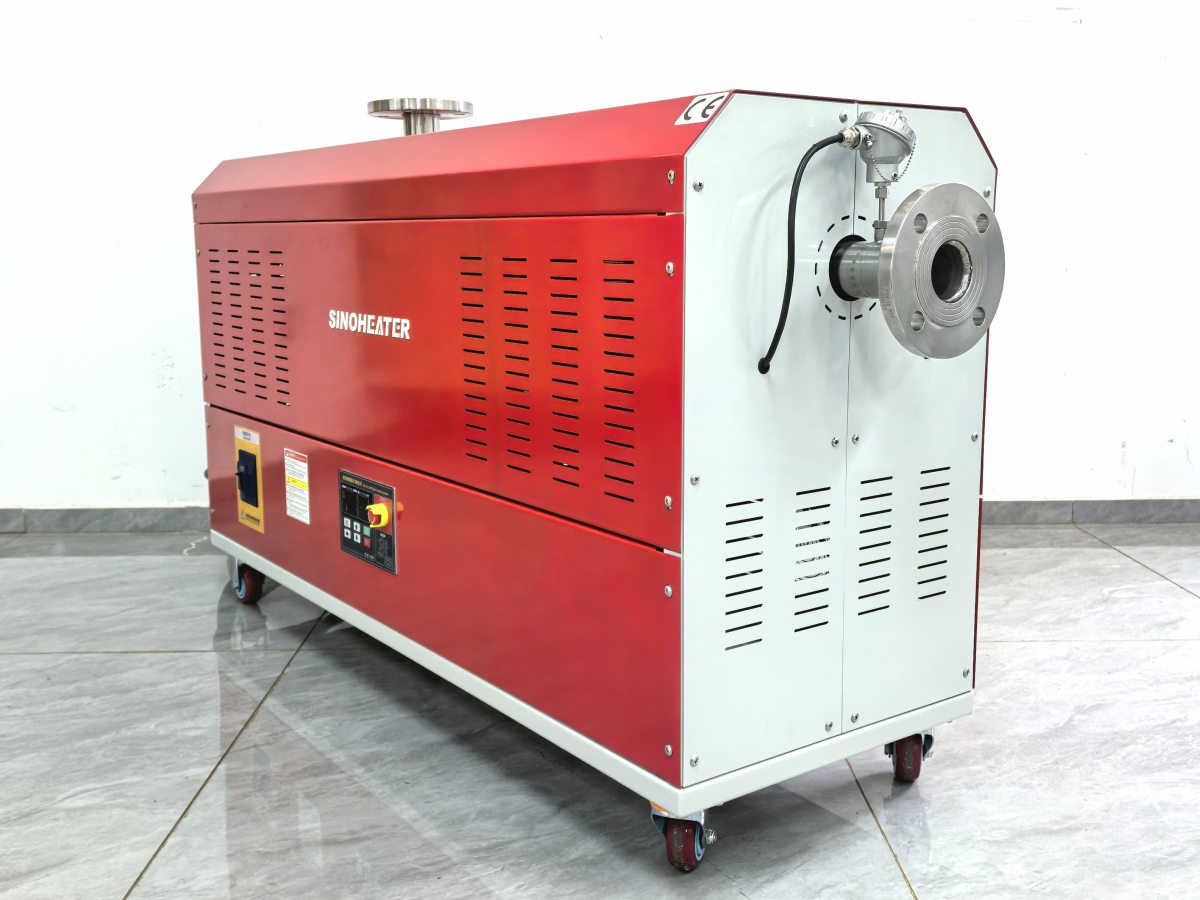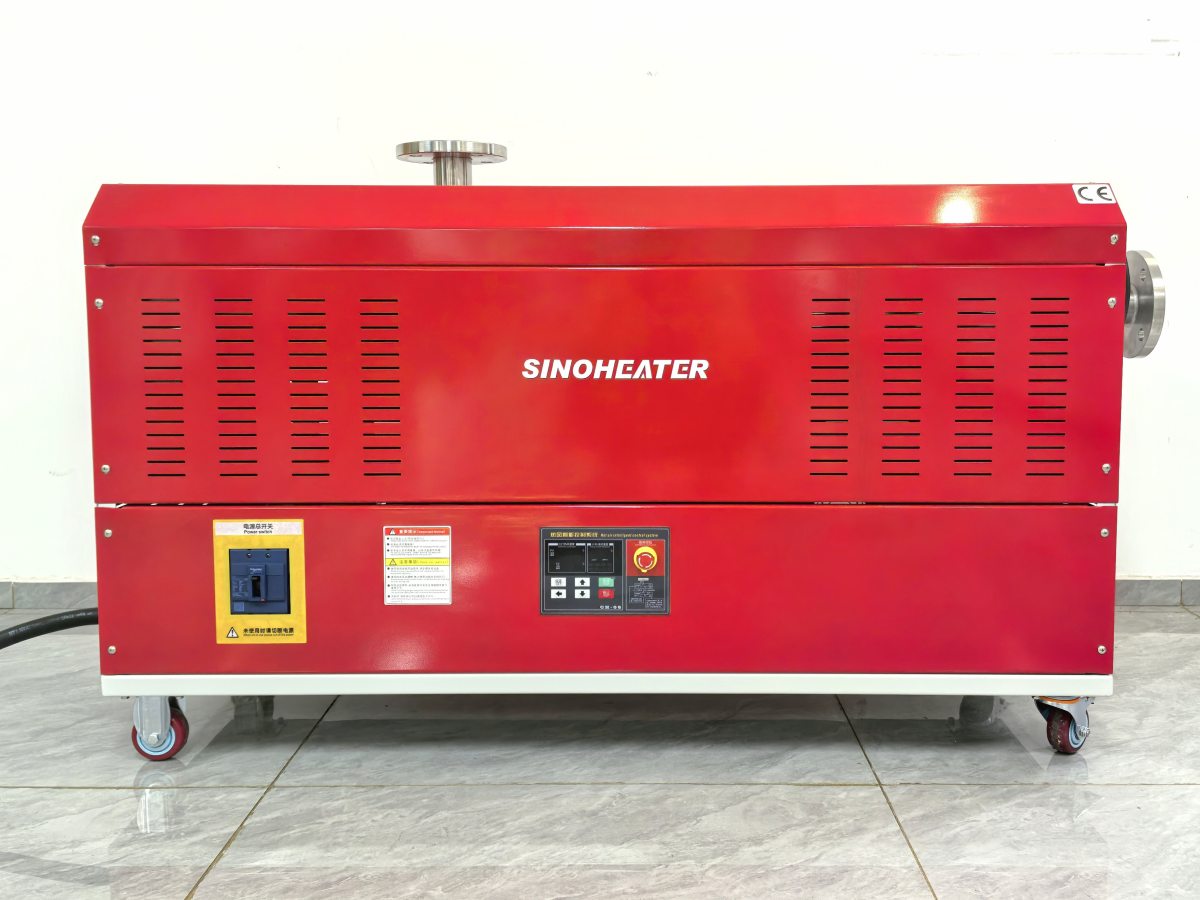
Textile fabric surface drying is a delicate process that requires careful balance between removing excess moisture efficiently and preserving the fabric’s original texture, color fastness, and structural integrity. Poorly controlled drying can leave behind uneven moisture patches, cause unwanted shrinkage, fade dyed surfaces, or create stiff, brittle hand feel that ruins the final quality of the finished textile. Hot air blower based drying systems have become a staple in modern textile processing lines, because they deliver precise, adjustable heat distribution that can be fine-tuned to match the exact properties of almost any fabric type.
How targeted hot air drying outperforms conventional drying methods
Traditional drum or contact drying systems transfer heat directly through solid metal surfaces that press against the fabric, which can easily over-compress delicate fiber structures, flatten raised pile surfaces, or leave permanent pressure marks on textured fabrics. Hot air blower drying works by directing controlled, uniform streams of heated air directly at the fabric surface from a short, consistent distance, so no solid surface ever makes forced contact with the wet textile. This non-contact approach preserves the fabric’s natural loft, soft hand feel, and original surface texture, even for highly delicate woven, knitted, or pile materials.
This method also dries the fabric evenly across its entire width, rather than creating uneven hot spots that leave some sections over-dried and others still damp. The heated air penetrates gently into the gaps between fibers, lifting and carrying away trapped moisture from the surface and near-surface layers without forcing the fabric to reach excessively high temperatures. This eliminates the common problem of residual hidden moisture that can lead to mildew, uneven dye migration, or unpleasant musty odors appearing long after the fabric has been processed and rolled for shipment.
Process calibration practices for different fabric types and treatments
Every textile material has unique heat sensitivity, moisture retention characteristics, and surface treatment requirements that demand customized hot air blower settings. For lightweight, delicate fabrics that have been treated with sensitive water-based coatings or dyes, operators run lower air temperatures at a slightly higher flow velocity, to strip surface moisture away quickly without giving heat enough time to penetrate deep into the fiber structure and cause damage. For heavy, thick woven fabrics that hold large volumes of water deep within their yarns, they use slightly elevated temperatures and extended dwell time under the hot air stream, to make sure moisture is pulled evenly from both the surface and inner layers.
Teams also adjust the angle of the hot air nozzles to match the specific fabric surface structure they are working with. For smooth, flat woven fabrics, nozzles are set at a near-perpendicular angle to deliver maximum direct heat contact. For raised, textured, or pile fabrics, nozzles are tilted to a shallow angle that blows air across the surface instead of pushing directly down into the fibers, which prevents pile from being flattened or permanently matted down during the drying process. These small, targeted adjustments make it possible to get perfect, consistent drying results even for fabrics that are notoriously difficult to process with older drying technologies.
Routine maintenance to sustain long-term drying performance and consistency
Over thousands of hours of continuous operation, small amounts of lint, fiber dust, and residual chemical residue from fabric treatments will gradually build up on hot air blower intake filters, nozzle openings, and internal heating elements. This buildup restricts airflow, creates uneven air distribution across the nozzle array, and can even introduce tiny, uncontrolled hot spots that blow small burn holes through thin fabric if left unaddressed. Scheduled, regular cleaning of all air path components prevents these issues before they ever impact production quality.
Operators also check and re-calibrate the alignment of every nozzle on a regular basis, to make sure no individual nozzle has shifted position or become partially blocked, which would leave a long, narrow damp streak across the full width of the fabric roll. They also monitor the temperature and flow output of each blower unit independently, to confirm no gradual performance drift has created inconsistent heat levels across different sections of the drying line. This level of consistent upkeep ensures the drying system delivers the same uniform, high-quality results every single day, across every different fabric style that runs through the processing line.