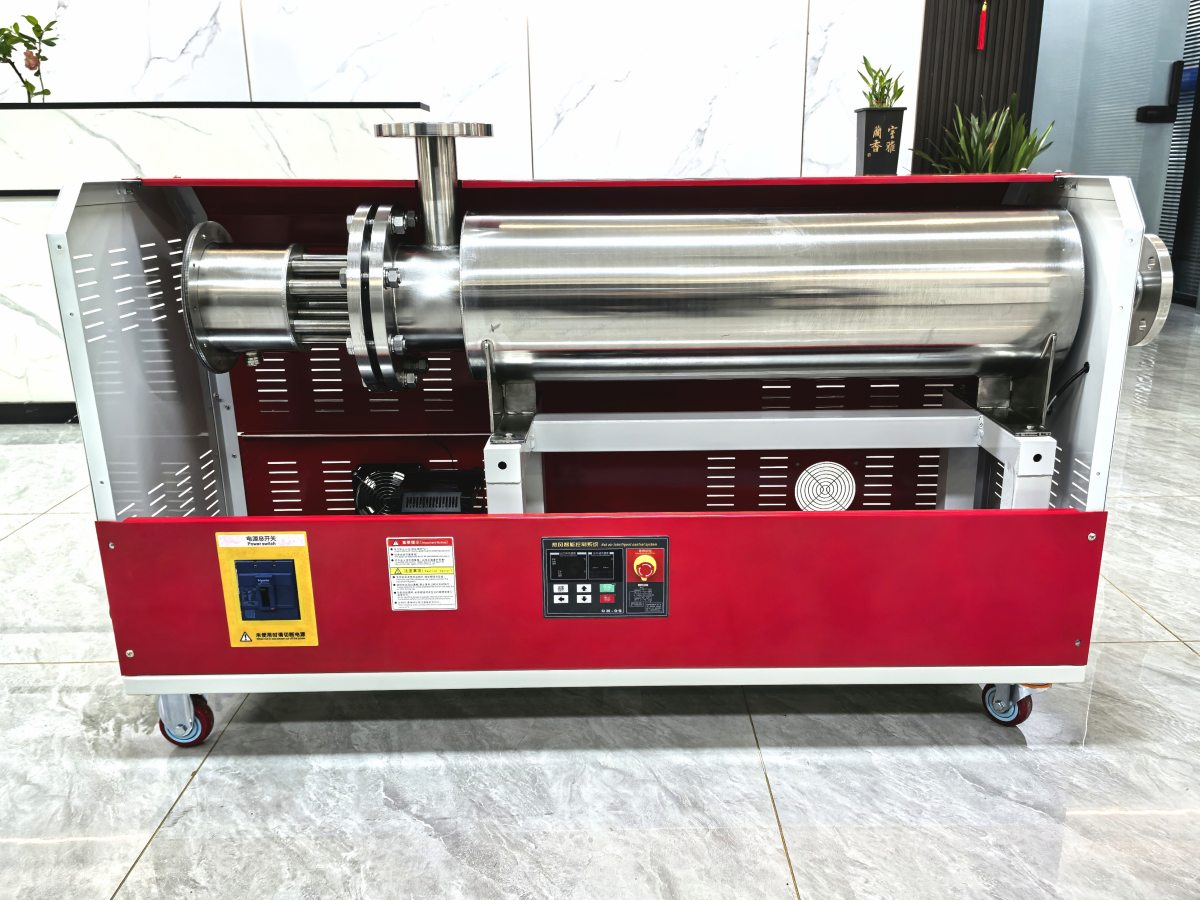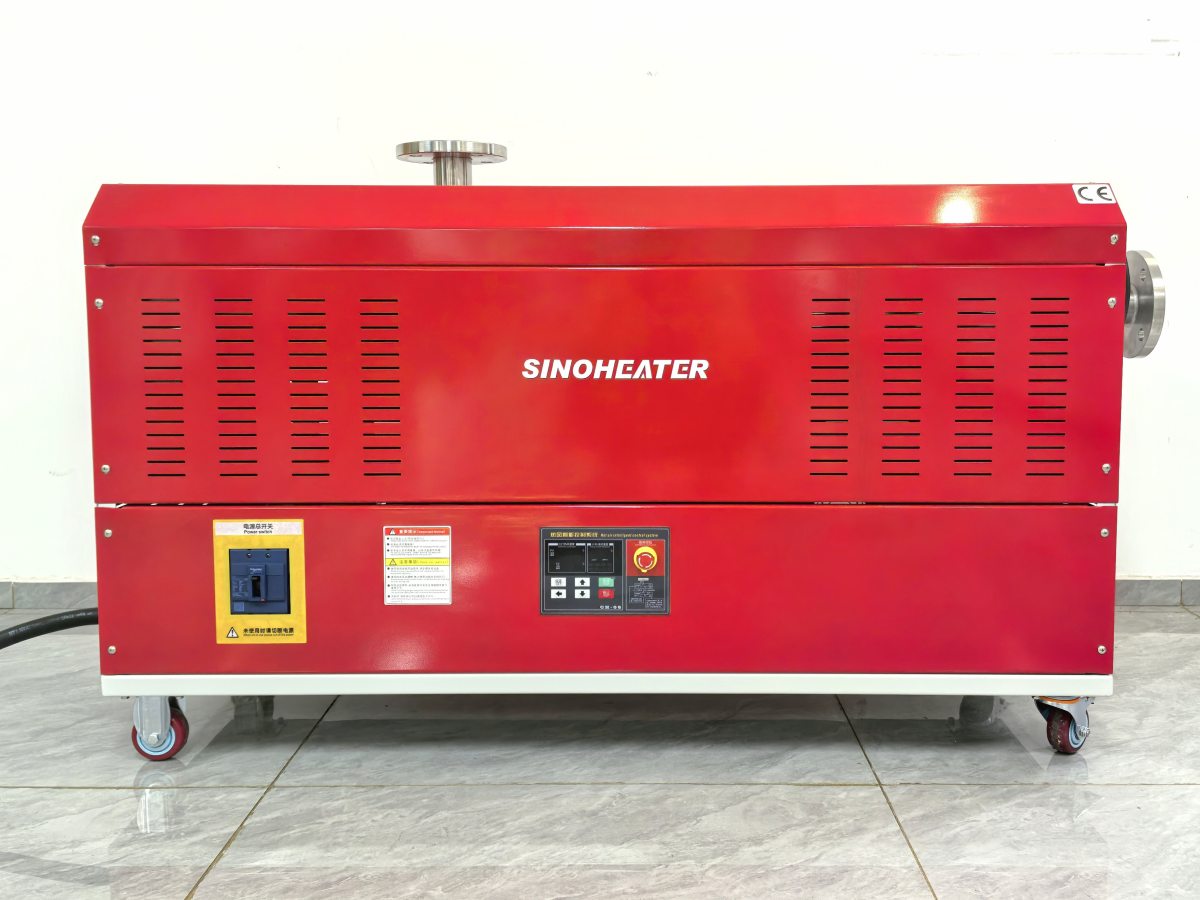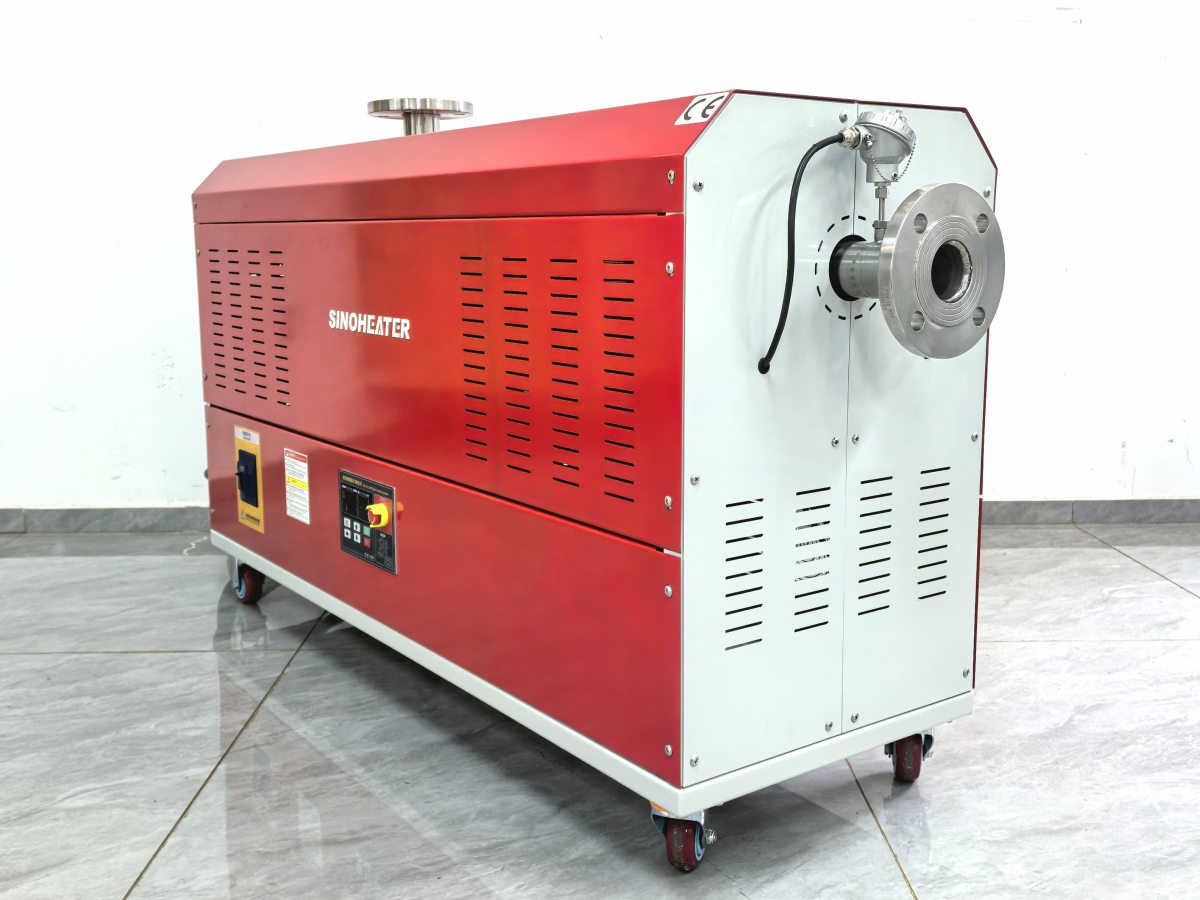
Paint layer drying is one of the most sensitive stages in wood product finishing, where even small inconsistencies in heat or airflow can ruin hours of careful prep work and lead to rejected pieces later in production. Hot air blower systems create a controlled environment that speeds up solvent evaporation without forcing harsh, uneven drying that causes common defects like bubbling, blushing, or poor adhesion between coats. When implemented correctly, this approach delivers far more consistent results than relying on passive room-temperature air drying, especially in spaces with variable humidity or changing seasonal conditions.
Core mechanisms that support uniform paint film curing
The process works by directing steady, temperature-regulated airflow across the freshly applied wet paint surface. This continuous flow replaces the thin, solvent-saturated layer of air that sits directly on top of the wet film with fresh, dry air, so evaporated solvent can move away quickly instead of getting trapped under the surface. Unlike radiant heating that only warms the top layer of the paint first, properly directed hot air warms the entire film evenly from surface to substrate, allowing solvents to escape at a predictable, controlled pace. This prevents the common issue where the top layer dries and seals over before lower layers have finished releasing volatile components, which often leads to trapped bubbles, cracking, or a finish that remains soft and easily marked long after it should be fully cured.
Critical process adjustments for different wood and paint types
Different wood substrates and paint formulations require very specific tuning of blower operation to get flawless results.
Temperature matching to paint volatility and wood porosity
Fast-drying, high-solids paint formulations work well with slightly lower, steady air temperatures to prevent skin formation before deeper layers release solvent, while slower, more traditional coating systems can tolerate a gradual, controlled rise in temperature to speed up full curing. Highly porous open-grain woods release small amounts of trapped internal air and natural compounds as they warm, so operators adjust initial temperature levels to make sure these do not push through the wet paint film and create tiny pinholes in the finished surface. Dense, tight-grain hardwoods hold far less internal air, so they can support a more aggressive drying profile without creating surface defects.
Airflow speed and direction for complex part geometries
Flat, simple panel pieces work well with broad, parallel airflow that moves evenly across the entire face of the part, but wood products with carved edges, routed profiles, or deep recesses need angled, directional airflow that can reach into every crevice. If air cannot circulate freely in these tight spots, wet paint will stay soft, run, or develop uneven gloss long after the rest of the piece is fully dry. Operators adjust fan speed and nozzle angle to make sure no hidden pocket of wet coating gets left behind, while taking care not to set airflow so high that it disturbs the still-liquid wet paint and creates visible ripples or texture on the final finish.
Common defect prevention through consistent workflow habits
Experienced finishing teams rely on small, repeatable daily practices to keep hot air drying performance consistent across every batch. They always make sure freshly coated pieces have a short flash-off period before hot air exposure, so the thickest part of the wet paint layer has a moment to level out before heat is applied. They also regularly inspect blower intake filters and outlet vents to remove built-up fine dust and overspray residue, which can break loose and land on the wet finish, or block airflow and create uneven drying zones across the drying line. Teams also keep simple, ongoing records of ambient humidity levels alongside drying parameters, so they can make small, quick adjustments on particularly damp days to compensate for slower natural solvent evaporation. These small, consistent steps eliminate most of the avoidable finishing defects that would otherwise turn high-quality wood products into rejected work that needs full stripping and re-coating.