Standard Parameters for Adjustable Temperature Range in Hot Air Blowers
The adjustable temperature range is a defining operational characteristic of a hot air blower or heat gun, directly impacting its versatility across applications from electronics rework to paint stripping and plastic welding. Unlike fixed-temperature tools, adjustable models provide control over thermal output, but their effective and reliable use depends on understanding the standardized parameters that define this range. This knowledge builds upon the foundational principles of heat generation and air delivery mechanisms, such as the internal flow dynamics and insulation systems previously discussed, to inform safe and appropriate tool selection.
Defining the Operational Range and Common Industry Benchmarks
The adjustable temperature range is typically specified as a continuous spectrum between a minimum and maximum air outlet temperature, measured in degrees Celsius or Fahrenheit at a standard distance from the nozzle under no-load conditions. Common industry classifications segment tools by their maximum temperature capability. A low-temperature range model might offer adjustment from approximately 50°C to 350°C (122°F to 662°F), suitable for precision tasks like shrinking heat-shrink tubing, drying adhesives, or softening plastics without burning. A medium-temperature range often spans from around 100°C to 500°C (212°F to 932°F), catering to general-purpose applications such as paint removal, thawing pipes, or loosening adhesives. High-temperature industrial units can reach from 200°C up to 650°C or beyond (392°F to 1202°F), designed for heavy-duty work like welding thermoplastics, bending heavy-gauge plastic, or removing high-temperature coatings.
Control Mechanisms and Calibration Accuracy
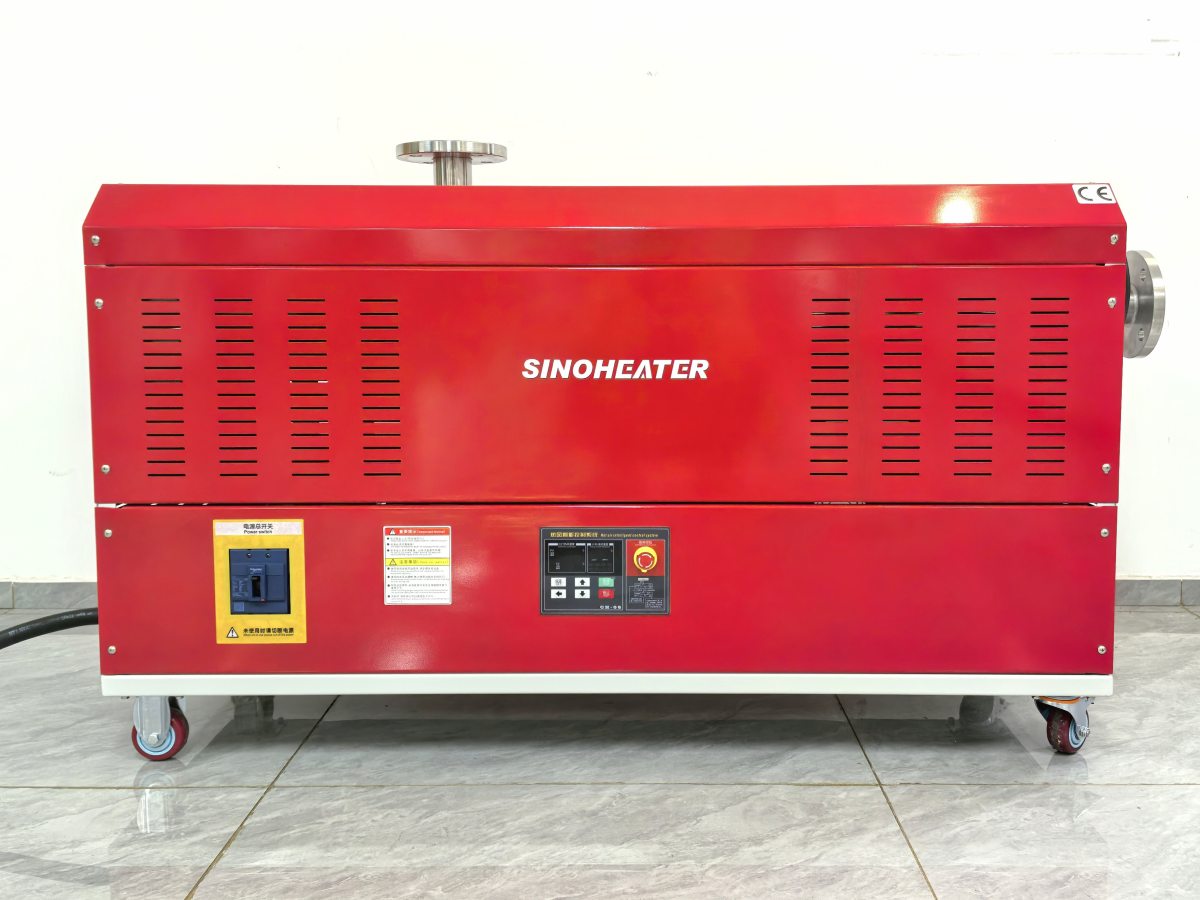
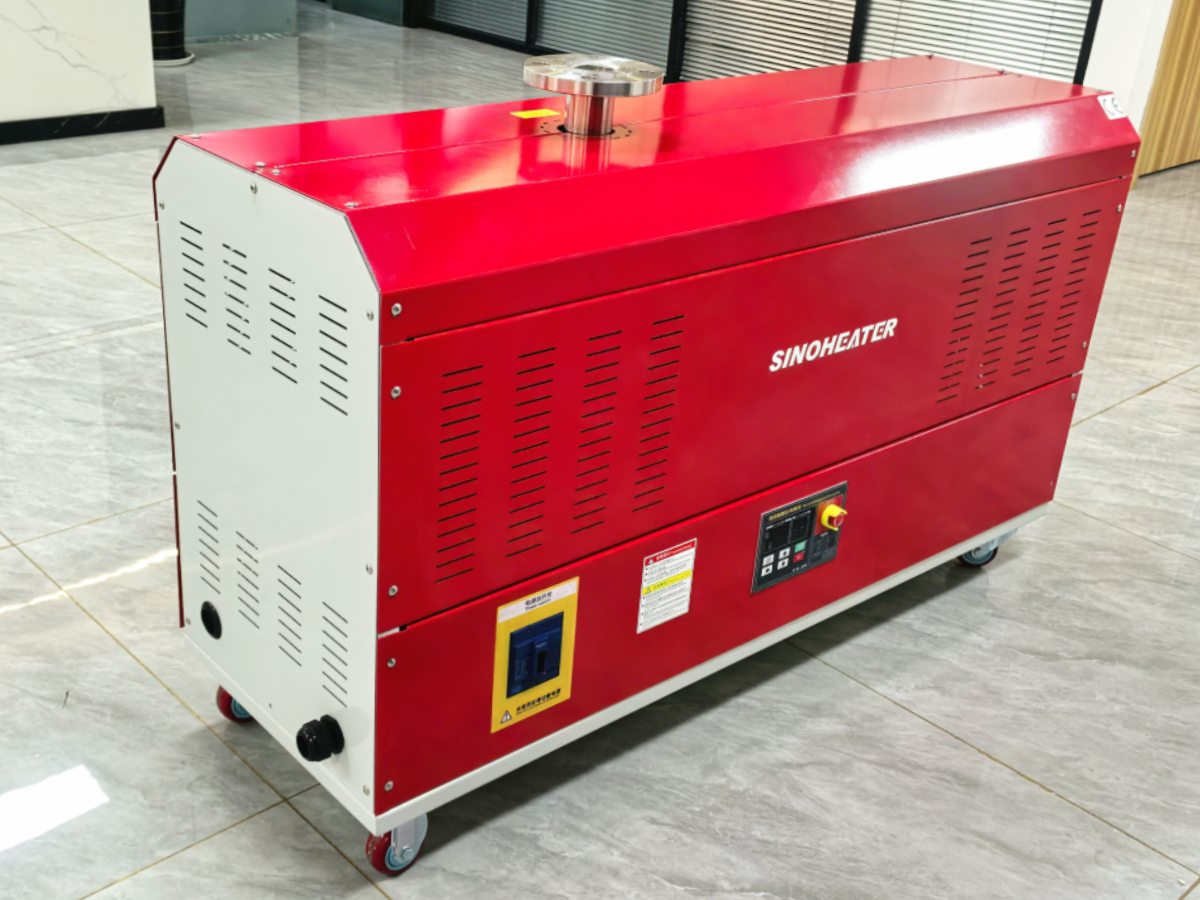
The method of temperature adjustment is a key parameter influencing control precision and user experience. The most basic systems use a rotary dial or slide switch with marked, but not precisely calibrated, positions (e.g., low/medium/high). More advanced tools incorporate electronic temperature control with digital displays, allowing the user to set a specific target temperature. The accuracy and stability of this control system are critical; a high-quality tool will maintain the set temperature within a narrow tolerance (e.g., ±5°C to ±10°C) despite variations in airflow or ambient conditions. The responsiveness of the heating element and the feedback from the thermocouple or sensor determine how quickly the system can recover temperature after a cold workpiece is introduced, a factor known as thermal load recovery.
Interplay with Airflow and Nozzle Selection
The effective temperature delivered to a workpiece is not solely determined by the dial setting; it is intrinsically linked to airflow volume. Most adjustable blowers allow independent or linked control of airflow (measured in liters per minute or cubic feet per minute) and temperature. A higher airflow at a given temperature setting will deliver more total heat energy (in watts) but a lower convective temperature at the surface due to increased cooling effect, and vice-versa. Therefore, the “standard parameters” for a tool should ideally include performance curves or charts showing the relationship between temperature setting, airflow setting, and resultant heat output. Furthermore, the use of accessory nozzles (reflector, focusing, flat) dramatically alters the heat concentration and effective temperature on the target area, making nozzle choice an integral part of applying the adjustable range effectively.
Safety Cut-offs, Stability, and Application-Specific Validation
A fundamental safety parameter integrated into the adjustable range is the thermal cut-off or overload protection. This mechanism automatically interrupts power if the internal temperature exceeds a safe threshold, preventing overheating and potential fire hazard, especially critical if air intakes become blocked. Beyond the headline range numbers, the stability of temperature output over extended periods is a key performance indicator. Parameters related to stability include temperature drift over time and the ripple or variation in output during steady-state operation. Ultimately, the validation of a chosen temperature setting is application-specific. Standard practice involves starting at the lower end of the recommended range for a material and gradually increasing temperature while observing the effect, always referencing the material manufacturer’s guidelines to avoid thermal damage or degradation.