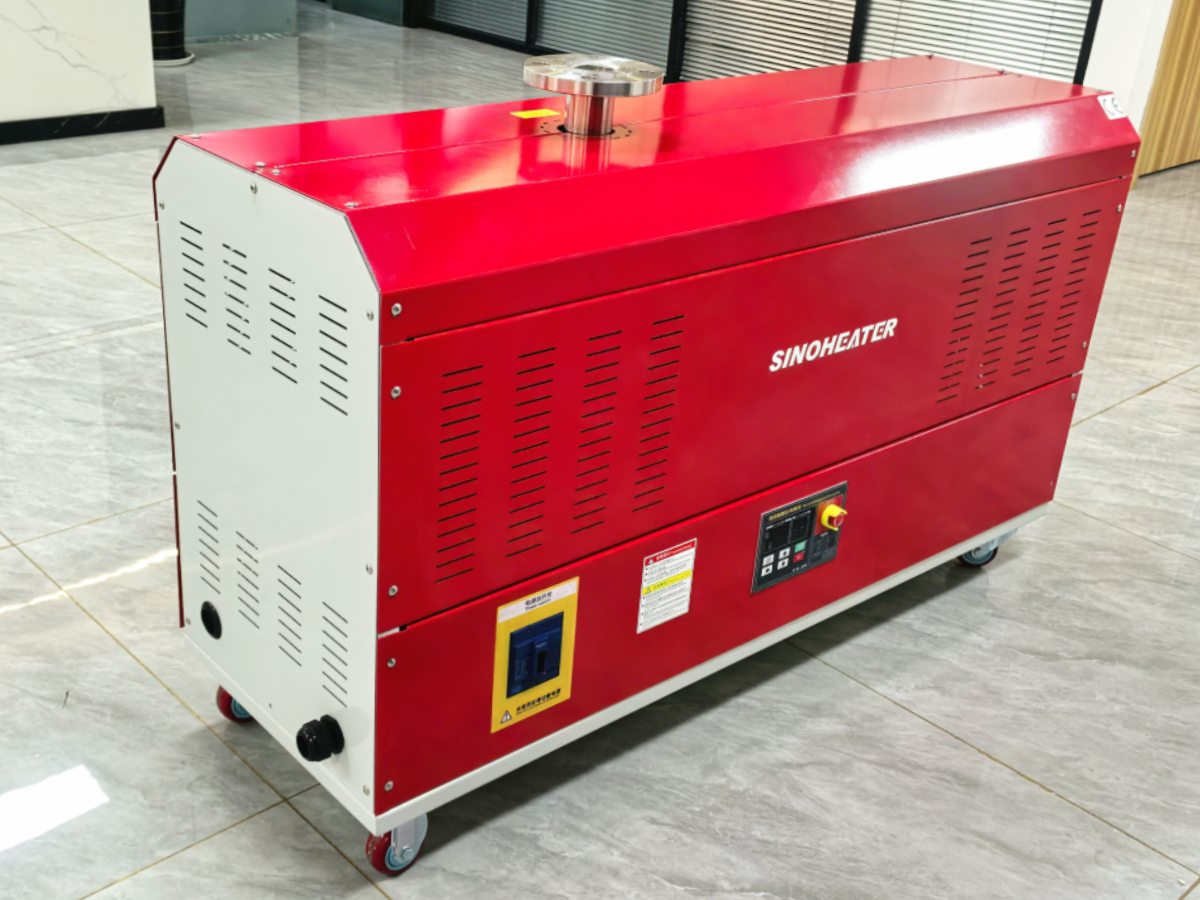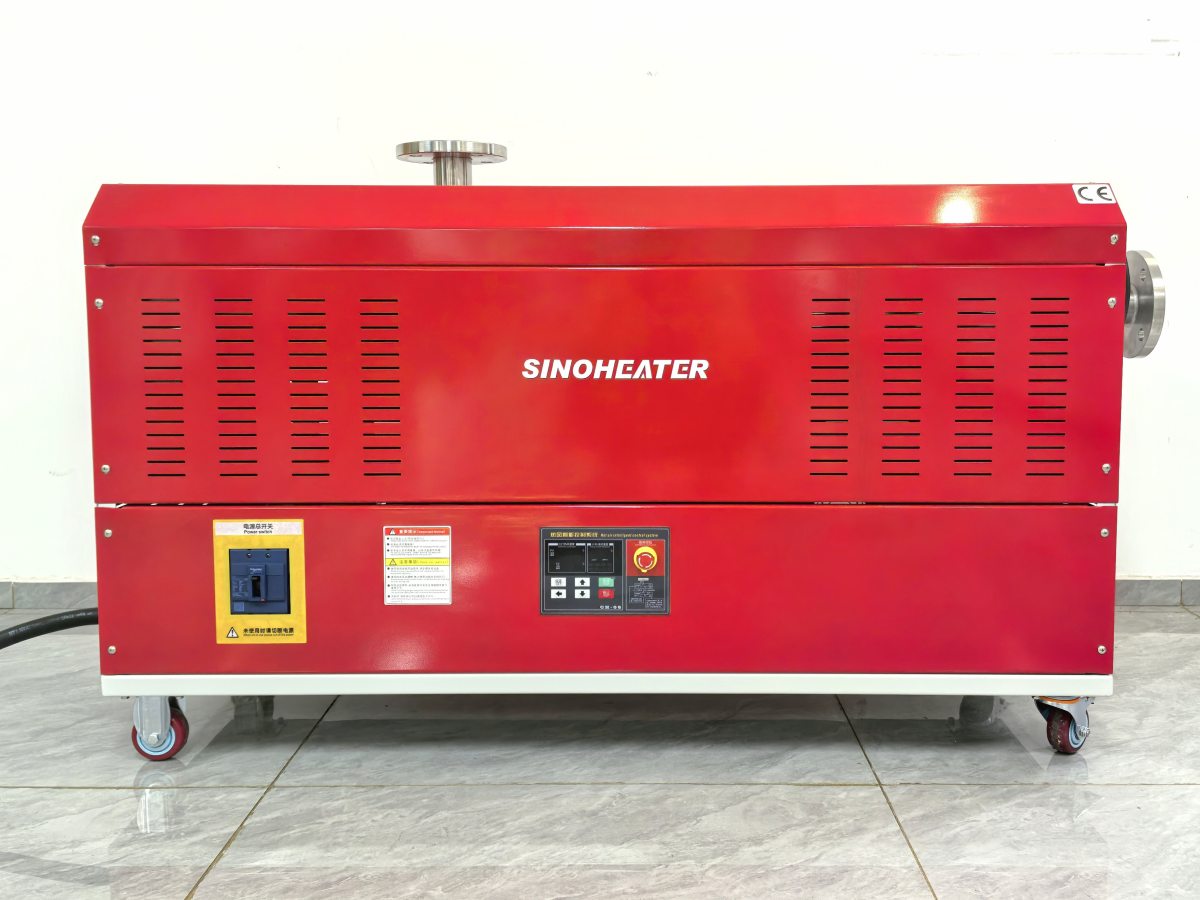
The hot air blower cold air preheating circulation system is widely used in industrial drying, agricultural grain processing and large space heating scenarios, designed to cut down unnecessary energy waste and avoid sudden temperature shocks that can damage equipment or processed materials. This step-by-step operation process is built on decades of field operation experience, with clear safety checkpoints at every stage to keep the system running stable and efficient even during long continuous shifts.
Pre-Startup System Inspection and Preparation
Before initiating any preheating sequence, operators first confirm all air inlet and outlet dampers are set to their fully open safe positions, to eliminate the risk of trapped air pressure building up inside the sealed circulation duct. They check all temperature sensor probes mounted at key points along the air flow path to make sure readings are consistent with actual ambient cold air temperature, with no loose wiring or frost buildup that could give false data. The main power supply and all safety interlock circuits are tested manually to confirm every emergency shutdown function works as designed, before any power is routed to the blower or heating elements. Operators also clear all debris, loose packaging materials and stray tools away from the air intake grille, to prevent any foreign objects from being pulled into the blower fan once the system starts running.
Gradual Preheating and Circulation Ramp-Up
Once all pre-checks are completed, the main blower motor is started first at low speed, to pull fresh cold ambient air through the full length of the circulation duct and purge any stagnant, uncirculated air left inside the system from previous runs. Operators monitor the air flow pressure readings at the blower outlet for 5 to 10 minutes, confirming a steady, consistent flow is established across the entire circuit before activating any heating components. The heating load is increased in small, gradual increments, rather than jumping straight to full power, so the temperature of the circulating air rises slowly at a controlled rate of no more than 5 degrees Celsius per minute. This slow ramp prevents sudden thermal stress on the blower fan blades, duct walls and connected processing equipment, while the continuous circulation of preheated cold air evens out temperature across every section of the system without creating localized hot spots.
Steady-State Circulation and Post-Shutdown Routine
Once the target preheating temperature is reached and stabilized, the system adjusts the circulation speed and heating output automatically to maintain a consistent temperature across the full air flow, making sure no cold spots or uneven heat distribution develops in the connected working space. Operators carry out hourly walkaround checks to record inlet air temperature, outlet air temperature, blower motor current and duct pressure readings, logging all data to track performance trends over long operation cycles. When it is time to shut down the system, the heating elements are turned off completely first, and the blower keeps running at full circulation speed to pull cool ambient air through the system, gradually bringing all internal components down to safe ambient temperature before full shutdown. This cool-down circulation step prevents trapped residual heat from overheating internal parts, and removes all leftover moist or dusty air from the ducts to keep the system clean and ready for the next operation cycle.