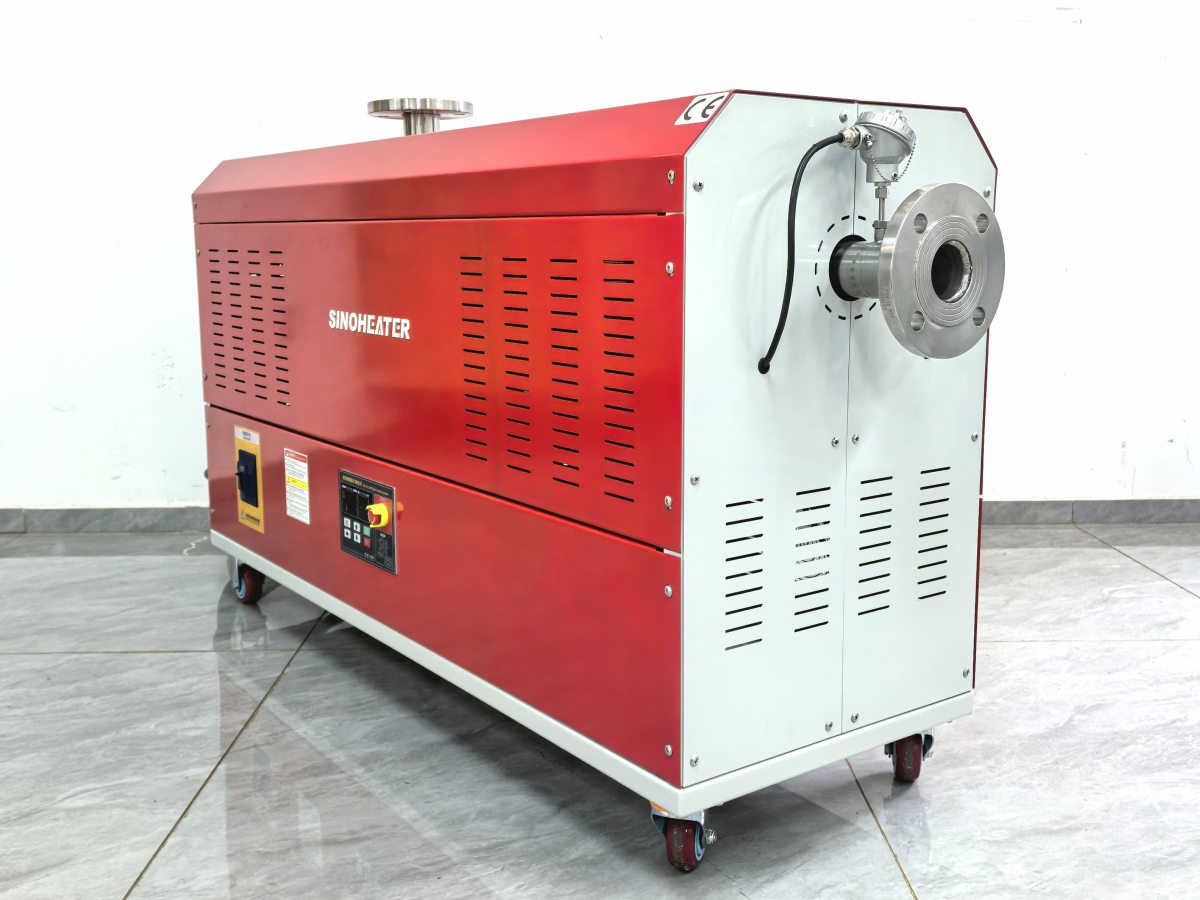
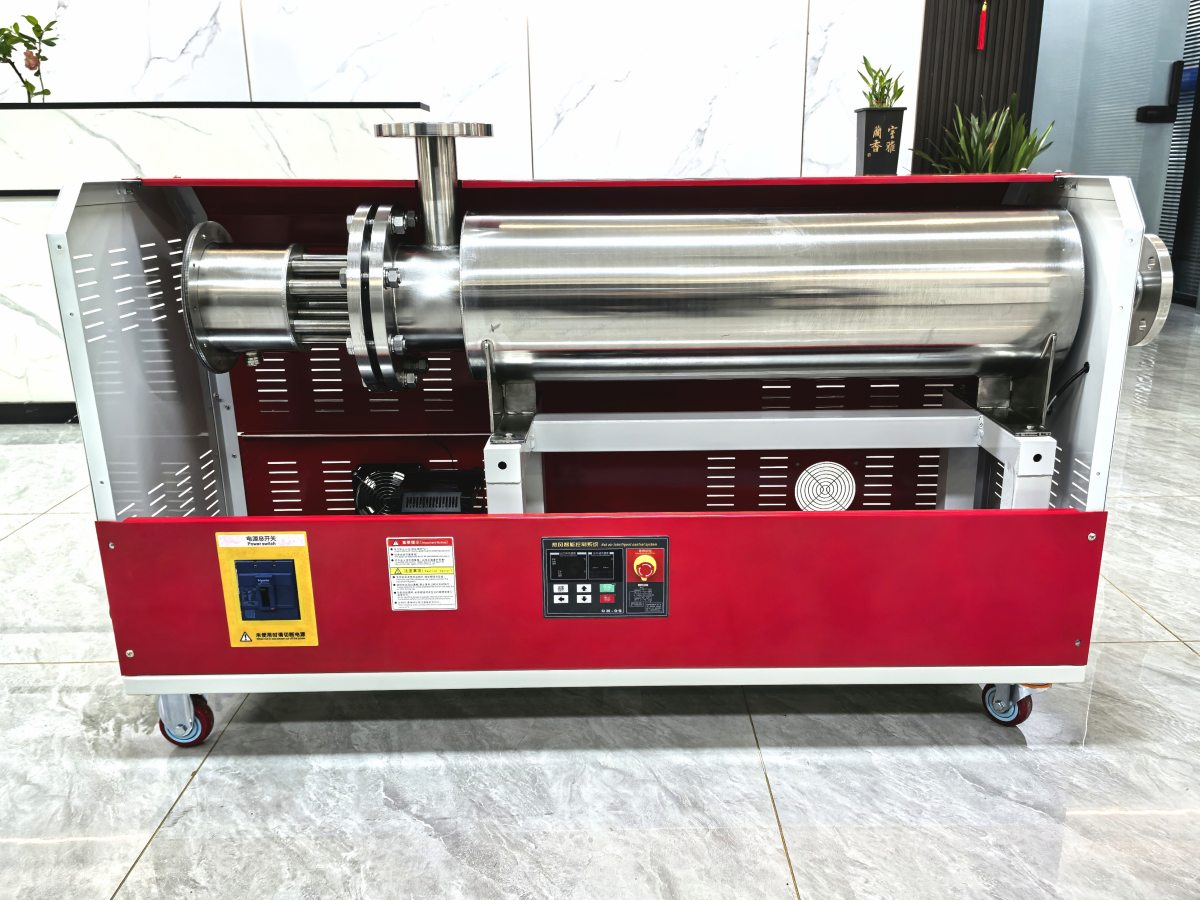
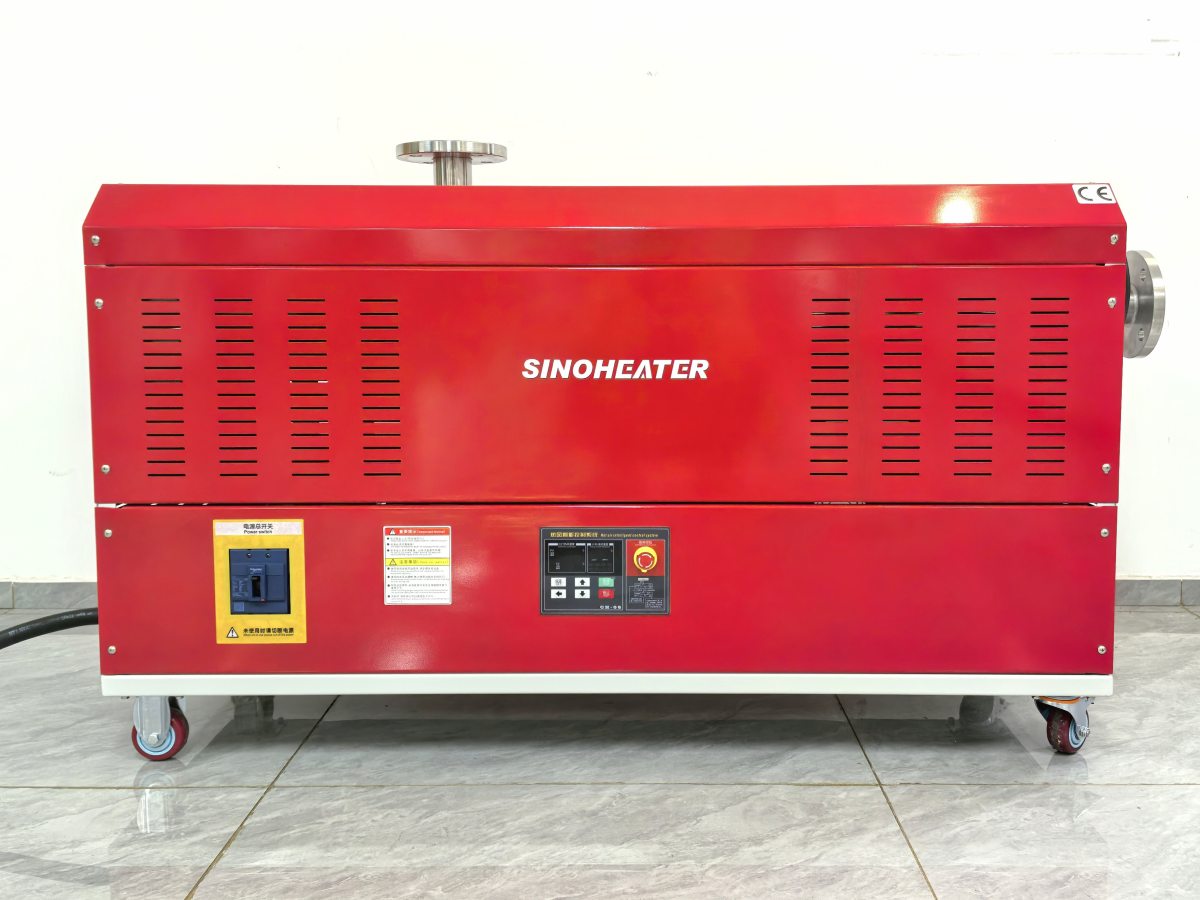
A multi-stage air outlet partition design in a hot air blower provides precise airflow control, adaptable temperature zones and efficient energy use for various application scenarios. This structure divides the main air stream into several independently adjustable channels, allowing users to direct heat to specific areas or adjust the airflow pattern without changing the overall power output of the equipment.
Main Flow Division and Independent Channel Structure
The core of the design is a set of internal guide plates that split the single large airflow from the fan into multiple smaller parallel streams. Each guide plate is fixed at a specific angle to create separate flow channels with minimal interference between them. The partition walls between channels are made from thin, heat-resistant material that withstands continuous exposure to hot air without warping or degrading. The inlet of each channel is shaped to ensure an even distribution of the initial airflow, preventing one channel from receiving significantly more air than others, which could lead to uneven heating or pressure imbalance.
Adjustable Outlet Section and Directional Control
At the outlet end of each partitioned channel, an adjustable louver or deflector mechanism is installed. These components can be moved independently to change the direction, spread or even partially block the airflow from their respective channel. The adjustment mechanism uses a simple yet robust design, often a rotary knob or sliding lever connected to the louver via a heat-resistant linkage, allowing for easy manual control even when the blower is operating. This enables users to create a wide, diffuse heat pattern by opening all channels wide, or focus intense heat on a small spot by aligning several channels to converge. The adjustment range is physically limited to prevent completely closing all outlets simultaneously, which could cause overheating inside the blower.
Internal Sealing and Thermal Isolation Between Stages
To maintain efficiency and prevent hot air from leaking between the partitioned channels internally, high-temperature seals are installed along the edges of each guide plate and partition wall where they contact the main housing. These seals compress slightly when the assembly is tightened, filling any microscopic gaps that could allow air to bypass its intended channel. Additionally, the partition walls themselves act as thermal barriers, reducing heat transfer between adjacent channels. This isolation is crucial for applications where different temperature zones are desired from a single blower, as it helps maintain distinct thermal profiles in the air exiting each channel, especially when the airflow through them is varied independently.