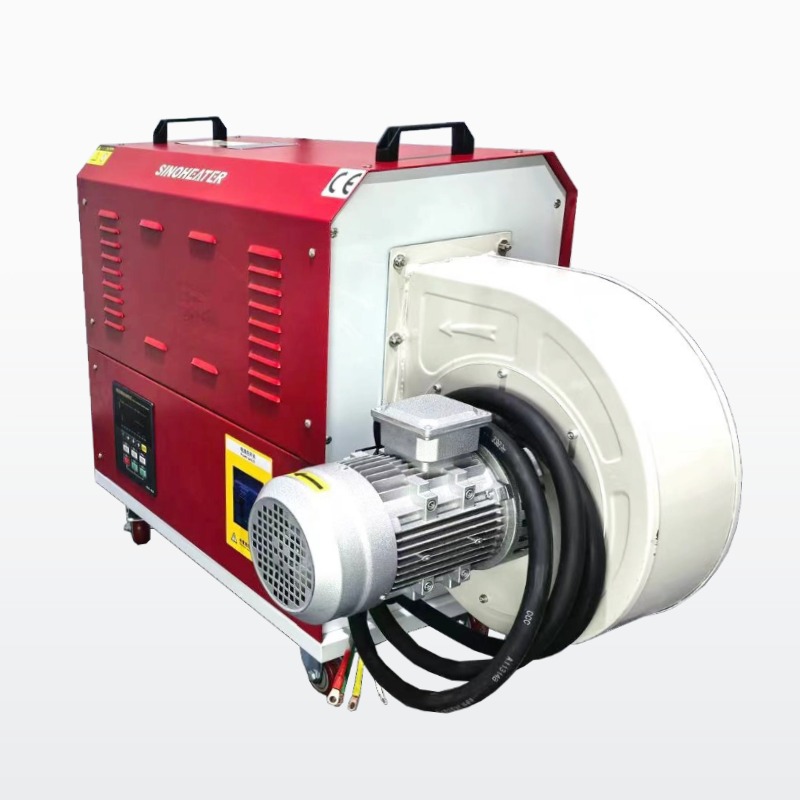
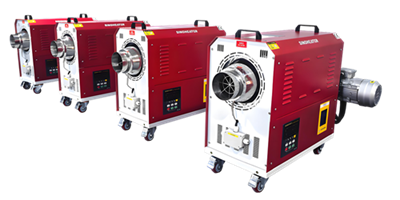
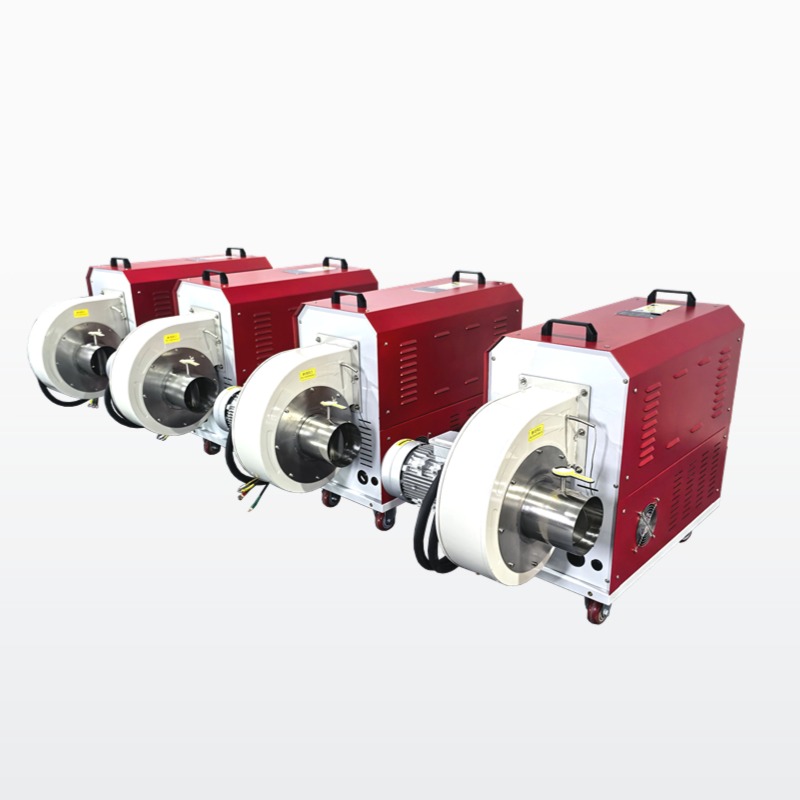
Choosing the right installation position for a hot air blower overheat protection module is a critical design decision that directly affects response speed, monitoring accuracy and the overall safety of the equipment during continuous operation. An incorrectly placed module may trigger false alarms during normal use or fail to detect real overheating risks in time, both of which can lead to unnecessary operational interruptions or potential safety hazards.
Proximity to Main Heating Element for Direct Temperature Monitoring
One key installation point is on the outer surface of the main heating element’s support structure, where the temperature rises most quickly when abnormal heating occurs. The module is fixed here with high thermal conductivity adhesive or a metal clamping structure, ensuring any temperature change on the heating element can be transmitted to the sensing unit with minimal delay. This position is not directly exposed to the main airflow, so the reading will not be affected by the cooling effect of normal air circulation. The installation point is also placed away from the high-voltage electrical connection area, avoiding any risk of electrical interference that may distort the temperature signal.
Air Outlet Upstream Zone for Secondary Overheat Detection
Another important installation position is in the airflow channel a short distance after the heating core, where the hot air has just been fully heated but not yet mixed with cooler ambient air. This location monitors the temperature of the actual output air, providing a second layer of protection that catches issues like reduced airflow or blocked outlet that may not be detected by the sensor attached to the heating element itself. The sensing probe is inserted into the center of the airflow channel and held by a bracket that does not block the normal air passage, ensuring the measured data accurately represents the real condition of the output air. The installation hole is fully sealed with high-temperature resistant material to prevent any air leakage.
Outer Shell Internal Surface for Comprehensive Thermal Monitoring
A third installation point is on the inner surface of the equipment’s outer shell, particularly in areas where internal heat tends to accumulate during long operation cycles. These positions are often near ventilation openings or close to heat-sensitive internal components like motor windings or electronic control boards. The protection module here monitors the overall thermal condition of the internal environment, providing an early warning if the internal temperature rises beyond the safe range due to factors like dust accumulation or cooling fan failure. The module is attached with a flexible thermal pad that ensures good thermal contact even if the shell surface is not perfectly flat, and the wiring is routed away from moving parts or high-temperature zones to ensure long-term reliability.