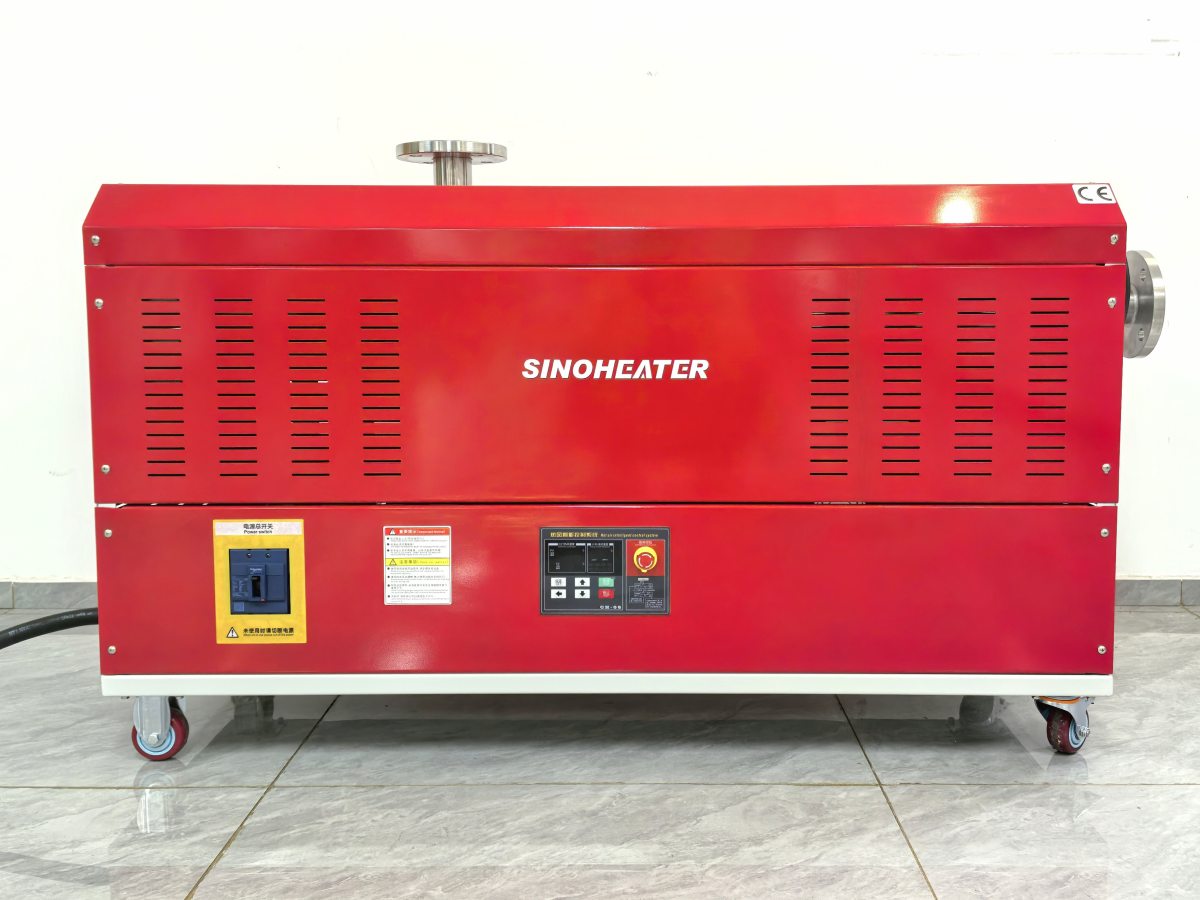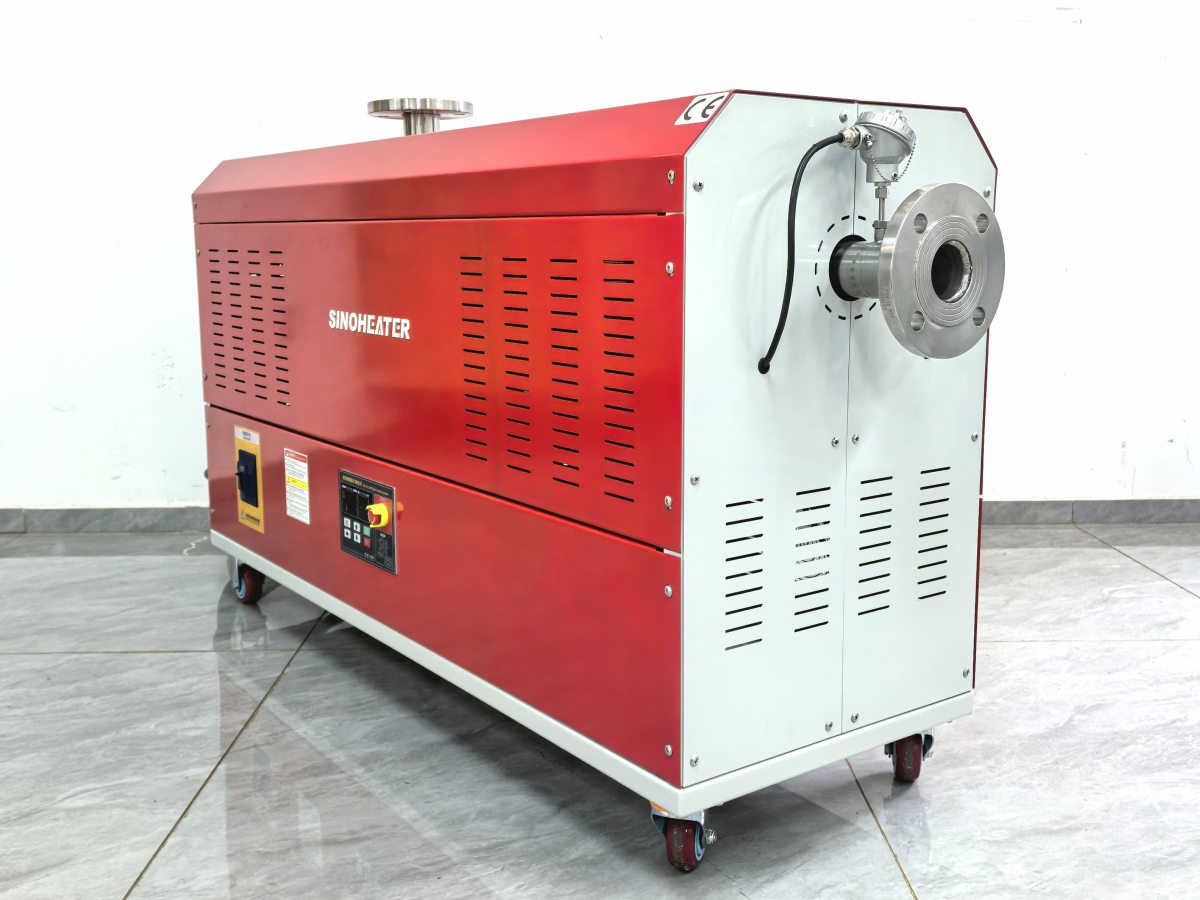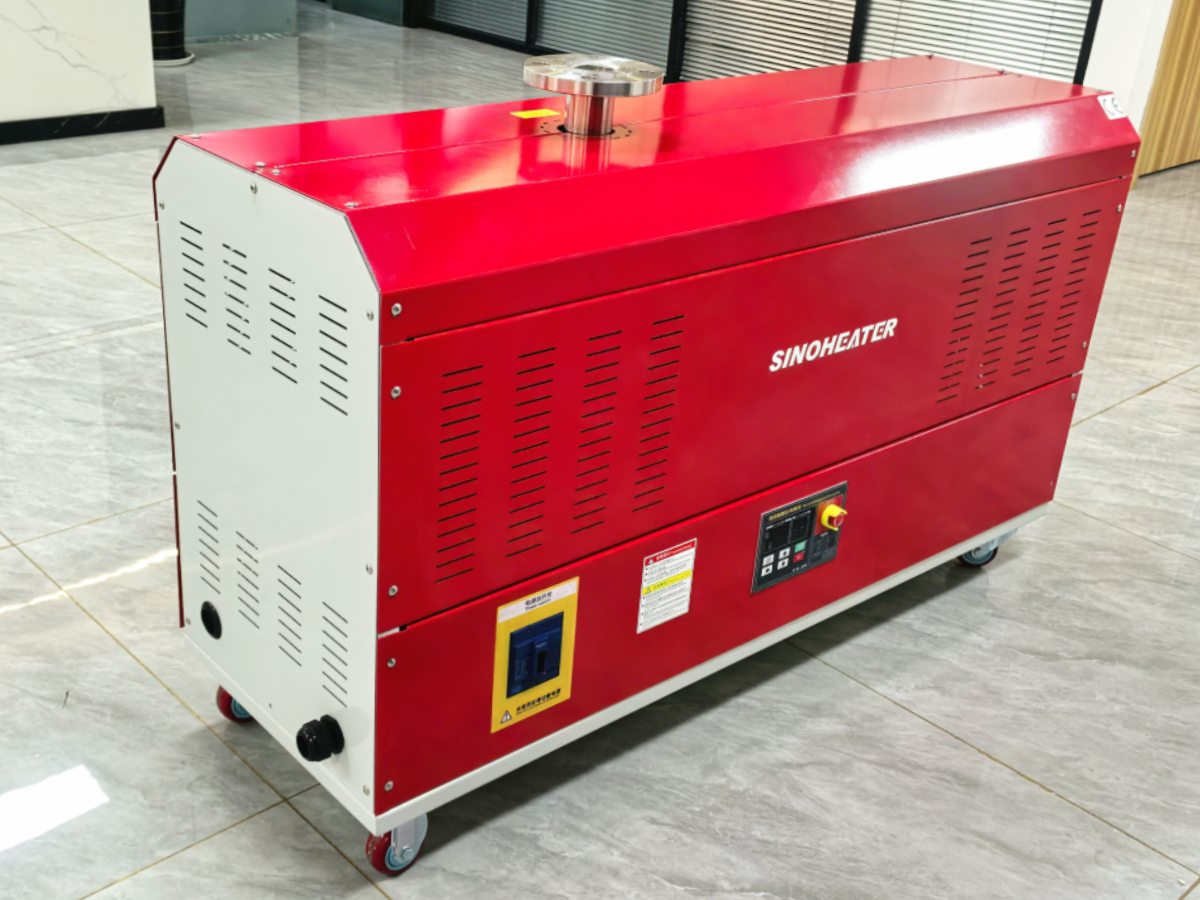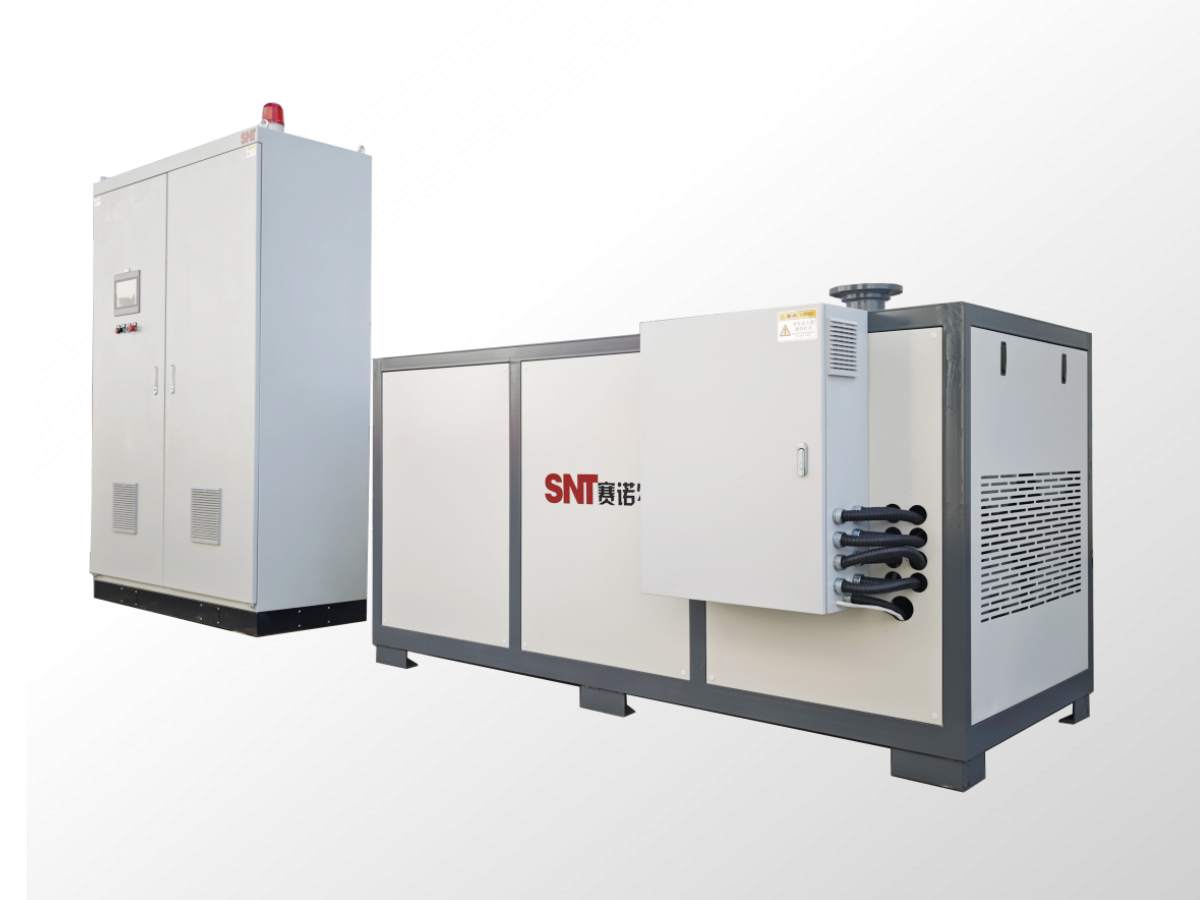
Surface shell temperature safety standards for hot air blowers are established to prevent burn injuries, mitigate fire risks, and ensure safe operation in various environments. These standards define maximum allowable touch temperatures based on the material’s properties, the equipment’s application context, and the duration of potential human contact. Compliance is not merely a regulatory formality but a fundamental aspect of responsible product design and risk management, particularly for devices used in workshops, laboratories, and manufacturing settings.
Core International Standards and Temperature Limits
The most widely referenced standard for surface temperature safety is IEC 60335-1 (Household and similar electrical appliances – Safety) and its counterpart UL 507 (Standard for Electric Fans) in North America. These standards classify surfaces based on accessibility and prescribe temperature limits. For surfaces that are graspable or likely to be touched during normal use, such as handles or control areas, the limit is typically set at a maximum of 85°C (185°F) for metallic surfaces and 95°C (203°F) for non-metallic surfaces under normal operating conditions. For surfaces that are not intended to be touched but remain accessible, such as the main body or nozzle housing, higher limits may apply, but these surfaces often require warning labels if they exceed specific thresholds, commonly around 95°C to 105°C. These limits are based on research into skin contact burn thresholds.
Material Thermal Inertia and Hazard Assessment
A critical factor in safety testing is the thermal inertia of the surface material. A material with high thermal inertia (like thick metal) stores more heat and can transfer it to skin more readily, causing a burn more quickly than a material with low thermal inertia (like some plastics) at the same temperature. Standards account for this by categorizing materials and adjusting test methods. The hazard assessment involves measuring surface temperatures under the most severe operating conditions (e.g., maximum airflow restriction) using calibrated thermocouples or infrared thermometers. The test evaluates both the steady-state temperature and the temperature rise over ambient. Surfaces are also evaluated for their resistance to flame in accordance with standards like UL 94 or IEC 60695-11-10, especially for plastic components near heating elements.
Design Implications for Safety and Compliance
Manufacturers implement several design strategies to meet these safety standards. These include:
- Thermal Insulation and Barriers: Using double-wall construction with an air gap or incorporating internal heat shields to isolate the outer shell from the high-temperature heating chamber.
- Material Selection: Choosing engineering plastics with high heat deflection temperatures or using lower thermal conductivity materials for external handles and grips.
- Over-Temperature Protection: Integrating non-resettable thermal fuses or resettable thermal cut-offs (TCOs) that disconnect power if internal temperatures exceed a safe limit, preventing the shell from reaching dangerous temperatures.
- Warning Labels and User Instructions: Clearly marking hot surfaces with standardized ISO or ANSI pictograms and providing explicit safety warnings in manuals regarding operation, cooldown periods, and placement away from combustibles.